
Over the course of this week, we are thrilled to share an in-depth, vivid journey through Taiwan’s drone industry in two parts. Ethan’s rigorous research and extensive on the ground reporting is a real contribution to the discussion around Taiwan’s defense. Enjoy!
Ethan Kessler was a 2025-2026 Boren Graduate Fellow for Mandarin Chinese in Taiwan. Before that, he was a graduate student and think tank researcher focusing on cross-Strait relations, critical technology, and defense acquisition policy.
Over the past half decade, small, relatively cheap drones have proven their potency on the modern battlefield. This has driven many in Taiwan to support a strong industrial policy for drone assembly and production. To many in the government, armed forces, and private industry of Taiwan, drones represent a way to leverage Taiwan’s comparative advantages and satisfy the desire among U.S.-allied countries to locate alternatives to Chinese supply chains. Given the relevance of drones to modern warfare, Taiwan’s evergreen push for Made in Taiwan (especially for defense articles), and growing Taiwanese uncertainty in U.S. commitments to arm and defend the island nation, this should be a no-brainer.
But there are tradeoffs and obstacles to Taiwan’s push for greater drone manufacturing power. And after two years of Lai Ching-te’s expansion of his predecessor’s initial drone industrial policy, these challenges are more obvious.
This piece covers:
Why the hype about Taiwan’s drone industry meets a brick wall in the opposition-controlled legislature;
Where Taiwan is on track, and where it has stalled, on the drone-related goals set in the first two years of the Lai Ching-te administration;
What kinds of unmanned systems Taiwan has fielded so far;
The four segments of the drone supply chain where Chinese dominance has been hardest to dislodge;
The three business models defining private Taiwanese firms working on drones, and how much private capital is involved;
The software, talent, and testing obstacles facing anyone in Taiwan looking to do “Hellscape, but affordably made in Taiwan”;
And why Taiwan’s most realistic play is to focus on the parts inside others’ drones.
First, the political underpinning of any large-scale Taiwanese government procurement of domestically produced (or at least assembled) drones is wobbly. The opposition-controlled Legislative Yuan 立法院 (LY), in May, passed the government’s proposed special defense budget without funding for drone procurement, leaving observers — including, crucially, potential investors in Taiwan’s burgeoning drone industry — in doubt. More recently, the opposition passed a military drone procurement bill at the end of August that rejected the six-year special budget model proposed by the government and instead requires military drone spending to be reauthorized annually. While the opposition contains a range of voices on security and cross-strait issues, its leading figures cannot be seen as opposing drone development — and, by extension, national security — outright. What they have consistently expressed is a suspicion of a special budget for drone development less subject than regular spending to legislative oversight and too high for Taiwan’s public finances.1 To many observers, their concern not only reflects a genuine worry that the government will direct funds to politically aligned firms, but also represents a clever play to both make the ruling party look incompetent and force it to call in more rhetorical back-up from the Americans, deepening domestic suspicion of exploitative Americans and their lackeys in the ruling party. This is why domestic drones were excluded from the special defense budget passed by the LY in May, which focused instead on high-end purchases of U.S. weapons systems already vetted and not as clouded by domestic graft concerns as indigenous drones.
This is one reason why the political trajectory of domestic drone funding in Taiwan is difficult to predict. The conventional tendency to back security-related industrial policy meets in the opposition a countervailing tendency to demand greater oversight from and politically humiliate the opposing party. An additional wrinkle arises due to cross-strait relations. The chairwoman of the main opposition party — who was the first sitting chairperson to visit China in a decade — has ruffled feathers in Washington with her calls for greater cross-strait dialogue and skepticism of American commitment to Taipei. Observers in Taiwan and the United States have pointed to her desire for warmer cross-strait relations to explain the opposition’s rejection of government proposals to fund military drone spending through special defense budgets. With subsequent allocations subject to the same partisan horse-trading and showmanship that delayed the first drone package’s passage – as well as additional delays from a new LY-selected oversight committee – staffers in the ruling party and industry advocates warn that the innovative speed and efficiency promised by the government’s multi-year procurement plan will never be realized.
While the LY has rejected the pronouncement by the largest opposition party’s leader that no funding for military drones would pass before Xi Jinping visits Washington in September, the drones bill passed in late August defied the government’s wish for a multi-year special budget managed by the defense ministry. With subsequent allocations subject to the same partisan horse-trading and showmanship that delayed the first drone package’s passage – as well as additional delays from a new LY-selected oversight committee – staffers in the ruling party and industry advocates warn that the innovative speed and efficiency promised by the government’s multi-year procurement plan will never be realized.
While Taiwanese drone firms have gained some initial traction in foreign markets, a second challenge arises on the point of Taiwanese and Western firms co-producing finished military drones. If Taiwan wants drones for military use, it will probably need to continue relying on Western state-of-the-art software. It is not yet clear if co-production arrangements can secure Taiwanese firms enough of that know-how, or even if Taipei should aim for such an outcome.
Lastly, Taiwan has still not decided how willing it is to address such critical issues as geographical and regulatory limitations on flight testing, a critical part of military drone development. Related is the question competitiveness. What role does Taipei envision for itself in a world increasingly desirous of drones but also more crowded with relatively low-cost component and assembly alternatives to China?
Underlying these challenges is a deeper question about Taiwan’s place in the international division of labor for drone production. As one American defense executive told me anonymously, Taiwan’s best shot is not in selling finished drones abroad, but in serving as a merchant supplier of components — airframes, gimbals, actuators — to integrators in other countries, especially to firms that sell more internationally competitive, battle-tested products.2
Building a Drone Strategy
Military Necessity
Taiwan’s pursuit of indigenous defense production does not have the same logic as that of South Korea, another East Asian “miracle” economy threatened militarily by a close neighbor. Both trace their respective defense industries to the 1970s, when fear of U.S. abandonment after the Vietnam War sparked urgency in the two most threatened East Asian U.S. allies. Both began crash programs to produce on their own what Uncle Sam had traditionally provided: rifles, missiles, tanks, and fighter jets. However, Seoul has managed to domestically produce defense articles to a greater degree and across a wider range of systems. Today, South Korea’s economic and military strength mean that the country could arguably combat North Korea alone. And the South Koreans remain able to procure exquisite foreign technology that Taiwan cannot.3
Meanwhile, many cross-Strait military analysts, including at RAND and CSIS, argue that Taiwan could not hold off a Chinese blockade or amphibious assault without U.S. help. This is unlikely to change anytime soon given the pace of Chinese military modernization and the economic growth undergirding it. Taiwanese defense indigenization efforts should therefore not be evaluated on the metric of self-reliance. Instead, Taipei’s efforts should be assessed in military terms: what is needed to fight, assuming the U.S. intervenes in a cross-Strait conflict? If a massive number of cheap drones in a variety of sizes and for a variety of mission roles are indeed necessary for Taiwanese forces to operate effectively, then indigenous production is a reasonable procurement option because foreign procurement may be too expensive or may contain too many potentially compromised Chinese components.
Producing a large number of relatively cheap systems domestically could be one half of a “high-low mix” strategy when paired with continued acquisition of higher-end reconnaissance and strike systems from the United States.4 Ukraine offers a helpful analogy: the country now produces much of its own drone and cruise missile arsenal, yet still relies on NATO allies for Patriot air-defense systems and fighter jets. The flipside is that any purchase has tradeoffs. Taiwan has other things it must pay for, such as manning and training its armed forces and buying them missiles, traditional vehicles, and other items. And a Ukraine-style drone buildout may be less useful if Taiwan cannot solve reconnaissance, surveillance, and guidance challenges. Kyiv has fought with access to overhead U.S. satellite imagery, a condition unlikely to hold for Taiwan should the U.S. withhold support in a conflict or in the event that Beijing counters U.S. intervention by degrading satellite capabilities. Taipei is at least aware of the gap — the LY eased foreign-ownership rules for satellite operators like Starlink on July 21, citing Ukraine’s wartime experience — though analysts claim that severe hurdles to Starlink entering the Taiwan market remain.
Time is the other factor. If one believes the maximum risk of Chinese aggression is in the next few years, then a drone production effort likely cannot produce fully indigenous systems within that timeline. However, if the end goal is to indigenize drone production over a decade, then the effort could succeed.5
Seizing Opportunity: Red-Free Supply Chains
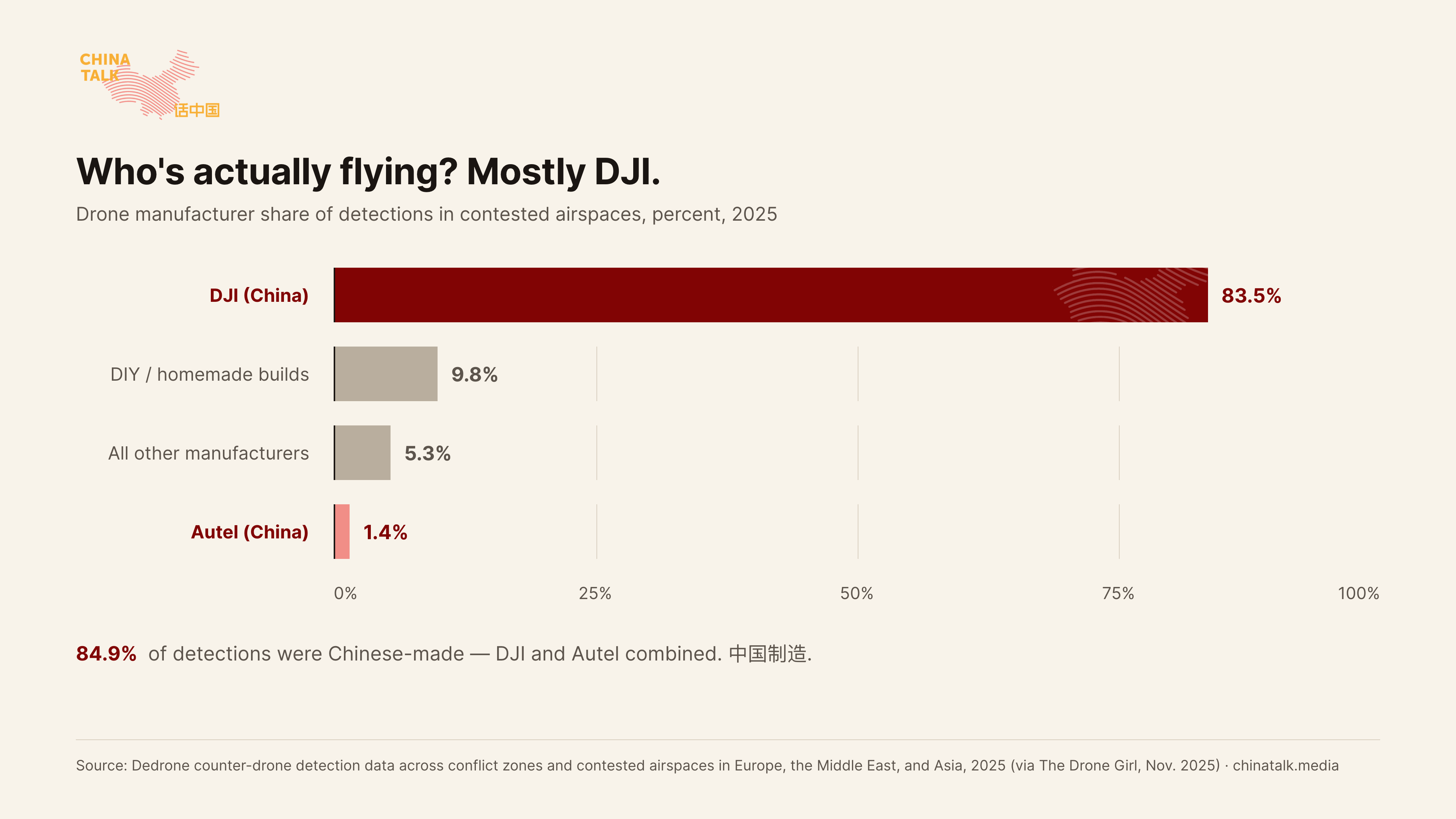
Military logic can only explain so much of Taiwan’s drone push under Presidents Tsai and Lai, however. Both saw an opportunity to service growing global demand for drones at a time of growing attention toward supply chain security. Taiwan’s indigenous drone production should also be judged on this economic score. Plenty of international customers are wary of arming themselves with DJI or other Chinese-made drones, which still dominate the global market. Taipei is banking that Taiwanese firms can reap some of the profits to be made.
Public officials’ statements offer more clarity on the economic case for Taiwan’s drone push than the military one. President Lai’s speeches on the threat posed by China emphasize Xi’s directive to the People’s Liberation Army (PLA) to be ready to take Taiwan by force by 2027 as a way to rally public support for politically contested defense bills. But these speeches do not assert whether the threat of war is greater in 2027 or 2030. The Executive Yuan’s October 2025 drone development plan sketched a six-year timeline, and so far government officials have not clearly articulated that Taiwan must reach some desired proportion of indigenously produced drones by a hard date — a standard which, if not met, could prove embarrassing.
Lai’s language on the development case for drone industrial policy has been considerably stronger. In March 2024, then-Vice President and President-elect Lai toured the Asia UAV AI Innovation Application R&D Center, located in the city of Chiayi in central Taiwan. He told manufacturers that “national defense and the economy are the two pillars supporting the country’s survival and development, and the drone industry holds dual significance” (國防與經濟是支撐國家生存發展的兩大支柱,而無人機產業具備雙重意義). After assuming the presidency that year, Lai folded drones into the “Five Trusted Industries” plan (五大信賴產業推動方案), his flagship industrial policy initiative that explicitly named drone supply chains alongside chips and next-generation communications as a core pillar of Taiwan’s industrial strategy. In 2025, asked by a Japanese broadcaster why Taiwan was racing to develop drones, Lai said, “first, the need for national security, and second, the need for industrial development” (第一是國家安全的需要,第二是產業發展的需要).
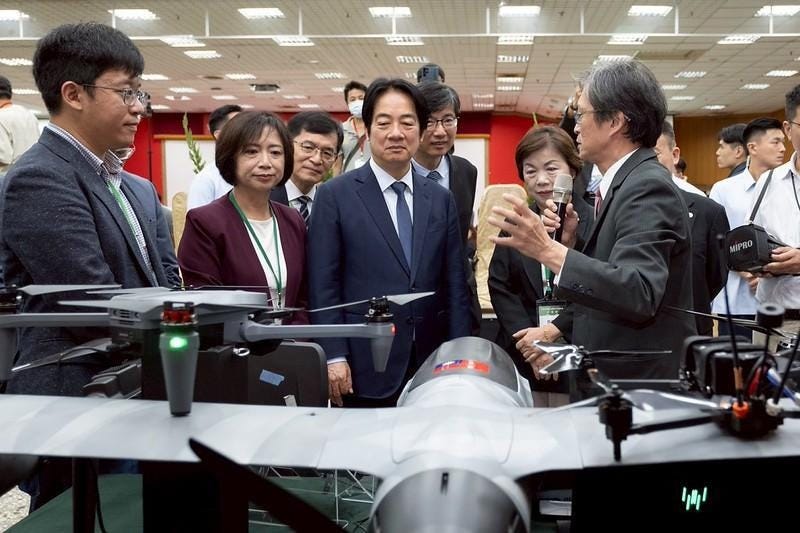
This is still how Taipei frames drone policy. At a June gathering of the Taiwan Excellence Drone International Business Opportunities Alliance (TEDIBOA) (台灣卓越無人機海外商機聯盟) — a loose convening mechanism for Taiwanese drone firms established four months into Lai’s presidency — Lai reiterated that “promoting the drone industry is a major national policy” and that the policy’s two goals are “strengthening national defense capabilities” and “industrial upgrading and economic transformation.” He also touted Taiwan’s status as the first Green UAS certification hub outside the United States and restated the goal of producing NT$40 billion (roughly US$1.3 billion) worth of drones by 2030. Meeting with a U.S. Senate delegation on July 7, he said he hoped Taiwan can become “an Asian hub for global drone development” with American support and pitched joint research, development, and production as a way to advance both countries’ defense capabilities and economic ties. Premier Cho Jung-tai 卓榮泰 has used nearly identical language, saying earlier this year that the goal is “to build Taiwan into an Asia-Pacific hub for the democratic drone supply chain.”
The metrics and goals below capture how much Taiwan’s drone sector is growing in absolute terms and how well Taiwanese firms are embedding themselves in trusted international supply chains as component and subsystem suppliers — not whether Taiwan is becoming a globally competitive exporter of finished, Taiwan-branded drone systems, something infeasible given the dominance of experienced, battle-proven incumbents. Taiwan’s 2025-2028 National Development Plan, along with other government documents and speeches, provides a foundation for assessing domestic drone production.
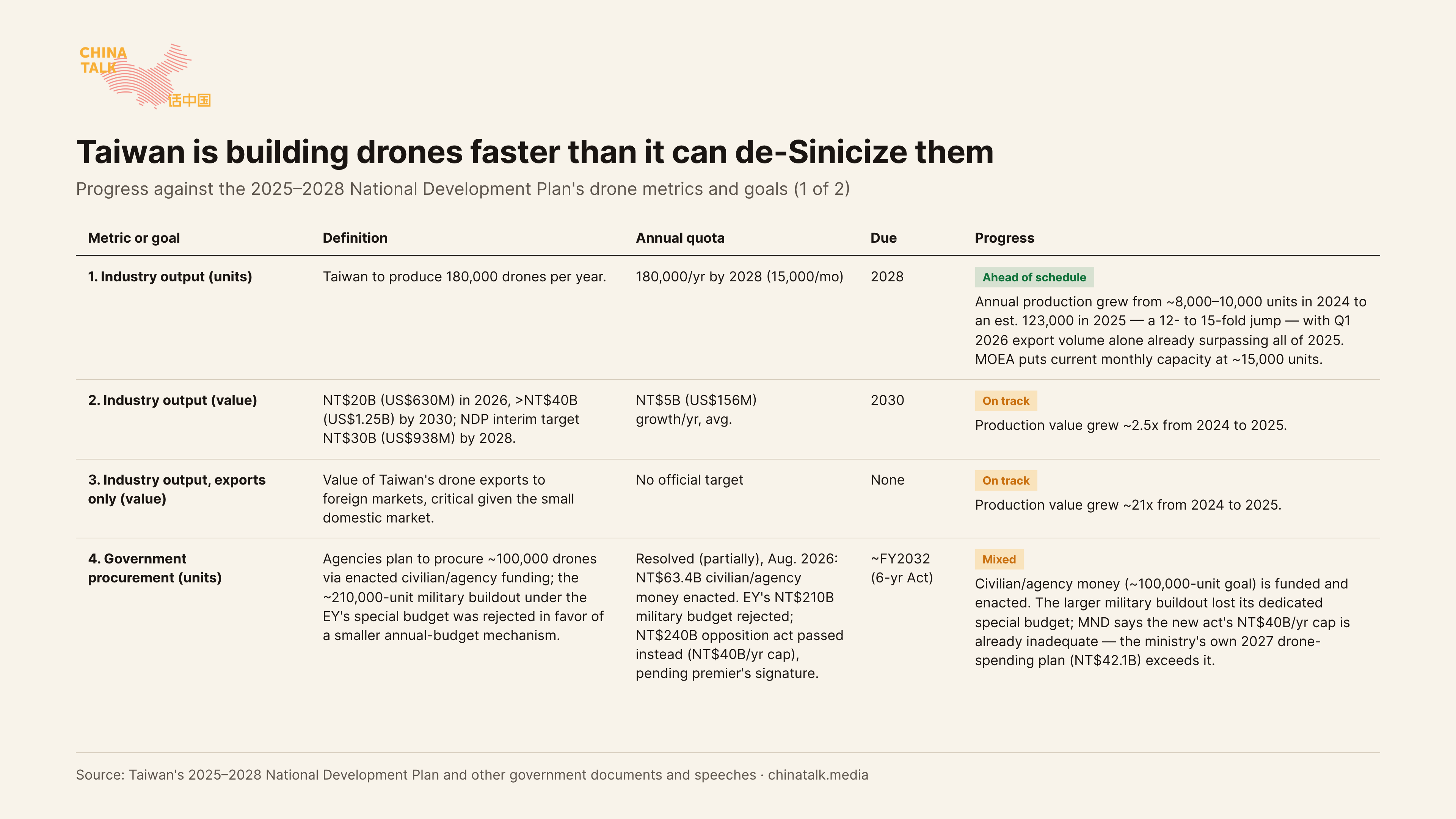
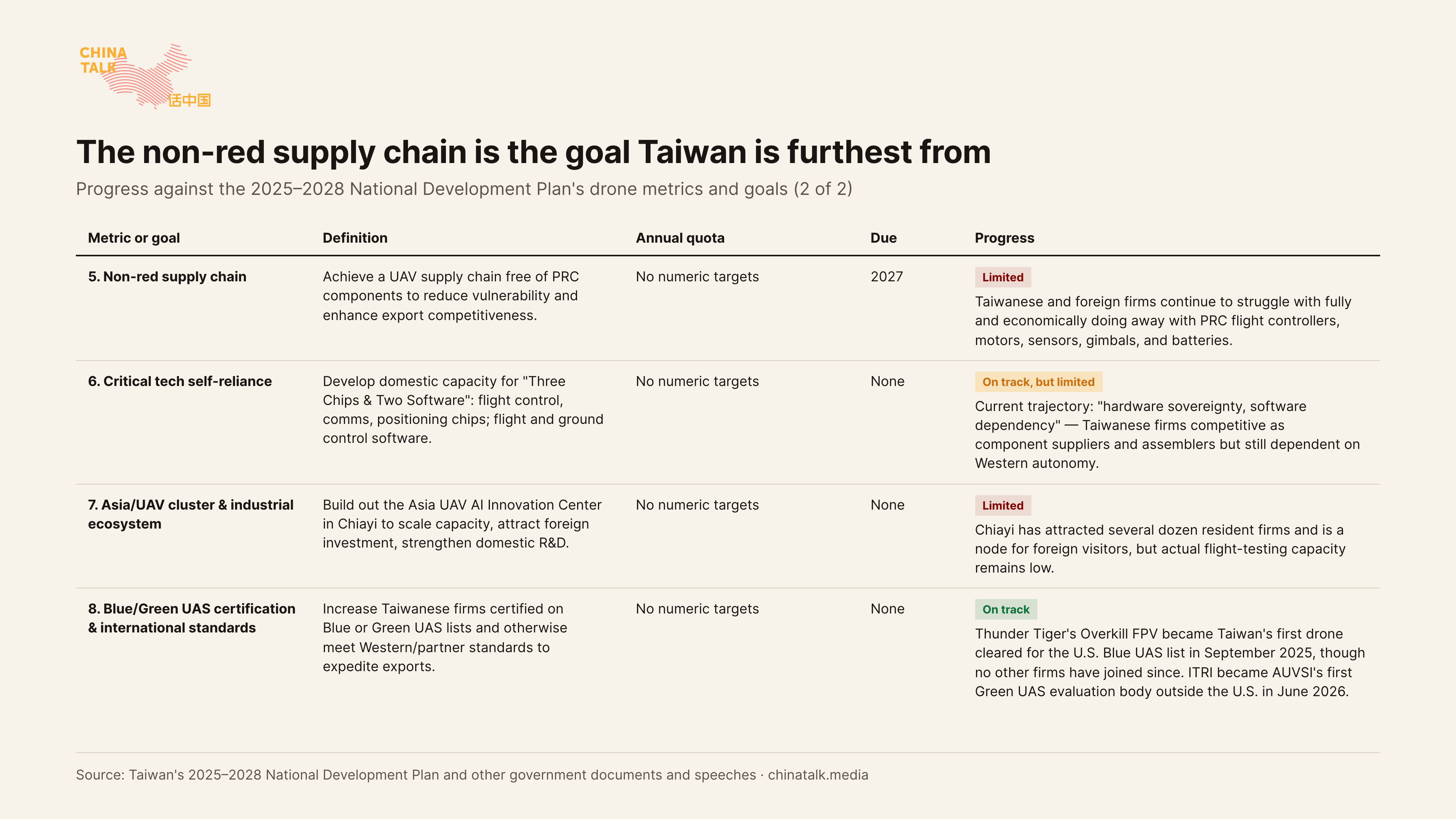
For all four of the main strategies offered by Premier Cho at the October 2025 Cabinet meeting that presented a comprehensive plan for the drone industry, assessing progress is still difficult. The first strategy, to expand domestic and foreign demand, remains uncertain because it is unclear whether Taiwan’s drone producers have attracted and invested enough capital in the scale needed to drastically grow overall output and thus meet the first metric listed above. The October 2025 EY plan’s NT$44.2 billion (US$1.44 billion) procurement package and the Ministry of National Defense’s (MND) since-superseded proposal for 200,000 more military drones both reflected a government view that 2025 procurement orders were insufficient, necessitating stimulus for the industry.6
The second strategy, to boost Taiwanese drone-makers’ technical prowess and connection with foreign partners, has indeed produced many memoranda of understanding (MOUs) aligning Taiwanese manufacturers with Western software and communications infrastructure providers, but the detailed terms related to technology transfer of partnerships remain proprietary secrets.7 The third strategy, to build out industry clusters, and the fourth, to modernize drone-related regulation, have together produced Chiayi’s Asia UAV AI Innovation Center. Though it is now home to several dozen resident firms, real capacity remains limited since flight testing is still constrained.
Through the last few years, “How much money is Taiwan’s government throwing at this?” has been a central question, given the insufficient size of the Taiwanese civilian market for quickly building and then sustaining a capable drone industry. Political wrangling over the last year between the DPP-controlled Executive Yuan and opposition-controlled LY has muddled the answer. This June, following the stripping of drone-specific funding from the government’s large special defense budget proposal in May, the EY introduced a separate, six-year special budget for coastal surveillance and attack drones and small suicide unmanned surface vessels, funded through debt issuance rather than the annual budget. The Kuomintang (KMT) and Taiwan People’s Party (TPP) countered on July 1 with drone bills of their own that routed funding through the general budget and proposed a standing drone committee to provide greater legislative oversight. For most of 2026, actual government funding for Taiwan’s drone industry has therefore been a question mark, contingent on the outcome of yet unresolved legislative negotiations.
Over this summer, the opposition parties would concede on the KMT’s proposed domestic content rules and some other provisions, but ultimately pushed through a version of the government’s proposed drone funding that removed what made it unique: special budget authority allowing for normal fiscal limits to be bypassed, multiyear procurement promising a large stimulus for private investment, and MND leadership on the acquisition of military drones to wall off defense acquisition from industrial policy pressures. On August 14, the opposition-led LY passed the civilian drone package proposed by MOEA ten months earlier, worth NT$44.2 billion (US$1.4 billion) and set to last until 2030. Two weeks later, on August 27, the opposition passed the “Act to Strengthen National Defense Self-Reliance and Promote the Development of the Unmanned Vehicle Industry” 60-50. Set to enter force in six months, the bill authorizes funds for a headline figure (NT$240 billion, or around US$7.5 billion) larger than the EY’s special budget ask across six years, and covers all domains of drones. Yet it retains the main tension of industrial policy for military drones by assigning MOEA as lead overseer while leaving MND in charge of procuring said drones — an arrangement MOEA has protested.
Serving two masters is difficult, and catering to both the needs of Taiwan’s drone industry and the best interests of its armed forces simultaneously is one of the main reasons that supporters of the EY’s special budget proposal have criticized the opposition-passed bill. The lack of a special budget for the drone funding also means that the government must come up with the money anew each year, and the LY must authorize it anew each year. This, and the opposition bill’s insertion of a LY-appointed review committee, adds two stages of vetoes (and thus leverage) for the opposition, allowing it to extract concessions elsewhere until the DPP regains control of the legislature — a prospect that can come no later than February 2028.8 The Sunday following the LY’s passage of the bill, a source said that Premier Cho would countersign the act and request funding for it via a supplemental budget. Assuming that he does so, the main question remains: will Taiwan’s drone industry be able to attract sufficient investment and develop at the speed necessary to become a drone hub? Or will nearly a year’s worth of partisan delays and deviation from the special-budget, multiyear procurement model prevent the scale and innovation needed for this goal? The scale of investment and speed of innovation are certainly important, but other factors — like Taiwanese firms’ role relative to other key drone companies and testing regulations in Taiwan — will matter as well.
The State of Taiwan’s Drone Arsenal
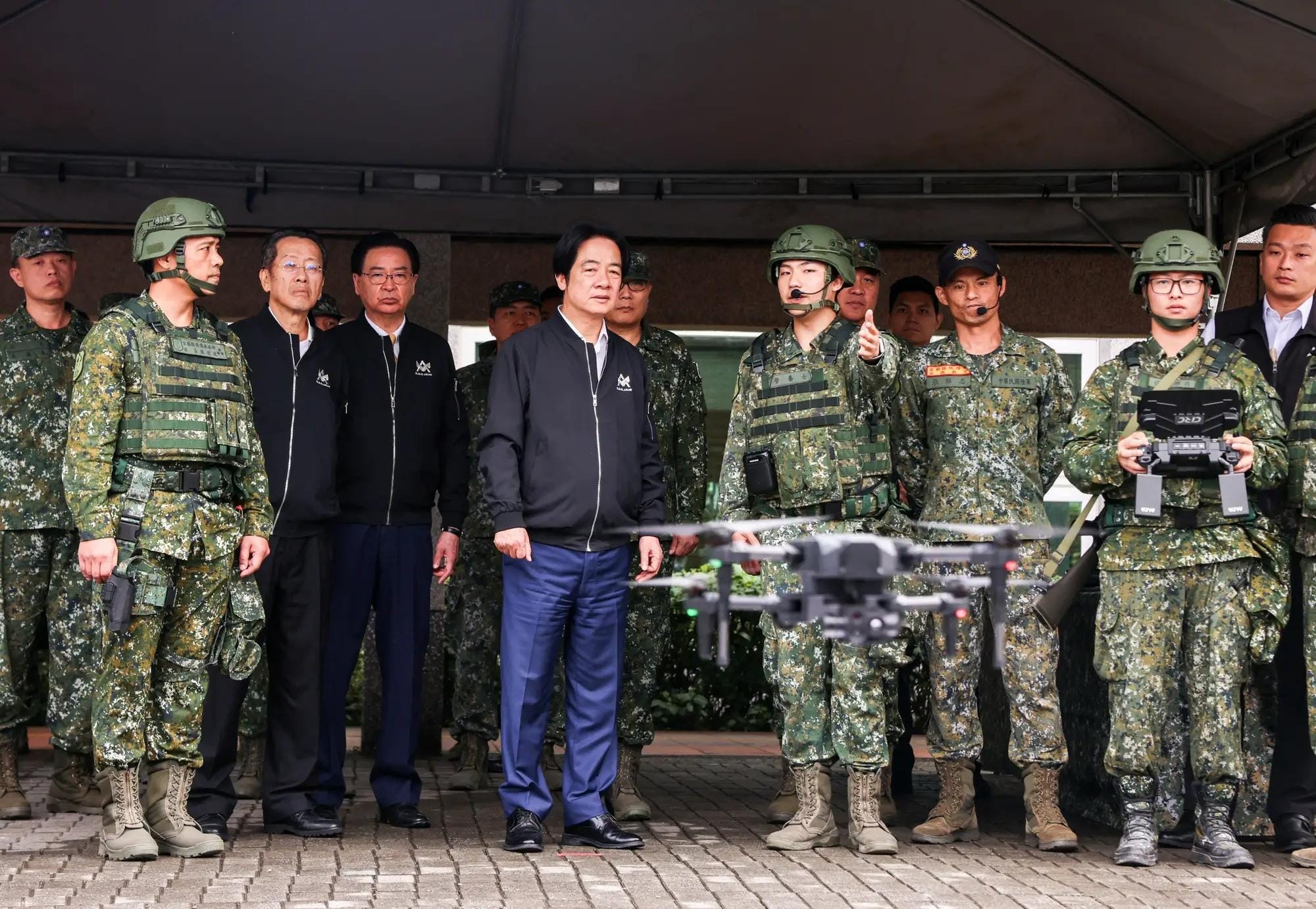
Taiwan’s interest in remotely piloted vehicles for military use goes back two decades, but only after the Russia-Ukraine War did Taipei begin to focus on procuring attritable drones in large numbers. Before then, Taiwan’s drone force was not exceptional: like other countries, its drones were either relatively high-cost, expensive platforms not designed to be attritable or were loitering munitions that fit within long-established concepts of employment.
However, in summer 2022, President Tsai Ing-wen was reportedly spurred by the Russia-Ukraine War to create the Drone National Team, which aimed to procure 3,200 military drones from domestic suppliers by mid-2024, and the Drone Defense National Team for procuring counter-drone systems. While the 3,200 goal was not met — MND procured only around 1,000 units in the first half of 2024 — by fall 2023 the national defense review proposed a new model: having domestic firms produce mainly commercial drones to enable them to grow beyond the demand provided by Taiwan’s military. (The goal was 7,700 drones by 2028, 700 military and 7,000 commercial.) Last October, Lai raised the government’s purchase goal to 48,750 military drones by 2027 and 50,000 civilian drones by 2030.
The military drone objective was later raised in January 2026 to 200,000 units, but the government’s ability to meet that goal is uncertain following the exclusion of funding for Taiwanese drone purchases in the supplementary defense budget passed by the Legislative Yuan on May 8. While five-digit production numbers are a substantial step up over four-digit ones, this is probably insufficient for addressing China’s drone capacity. By the end of 2025, 3.29 million drones were registered with China’s Civil Aviation Administration, and DJI alone controls roughly 70% of the global drone market — a massive manufacturing base that can support substantial military drone production.
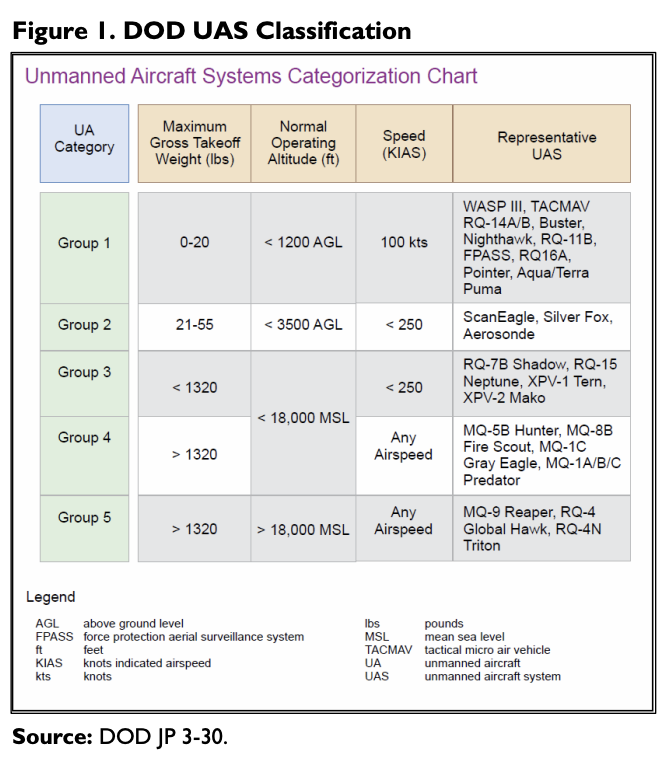
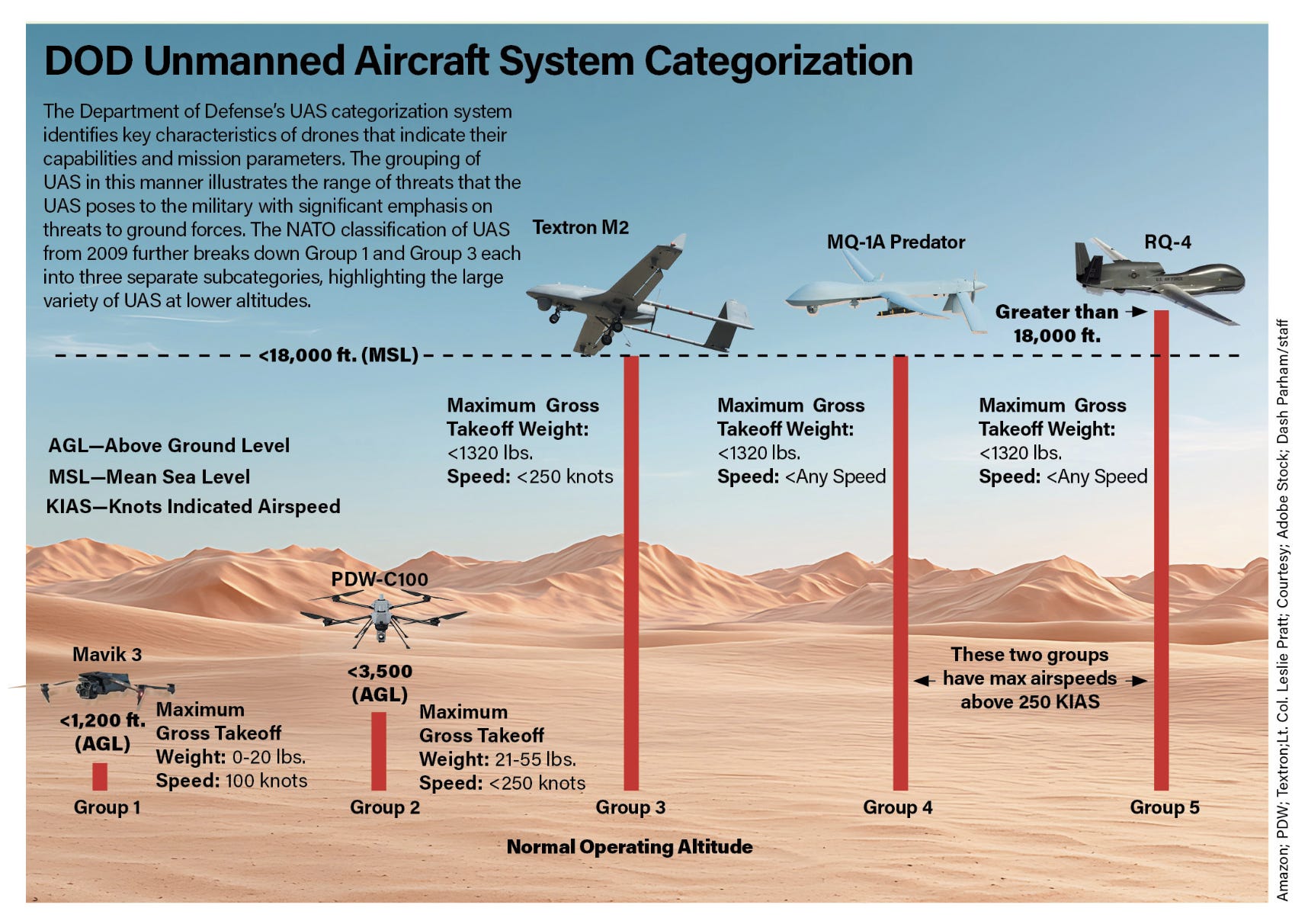
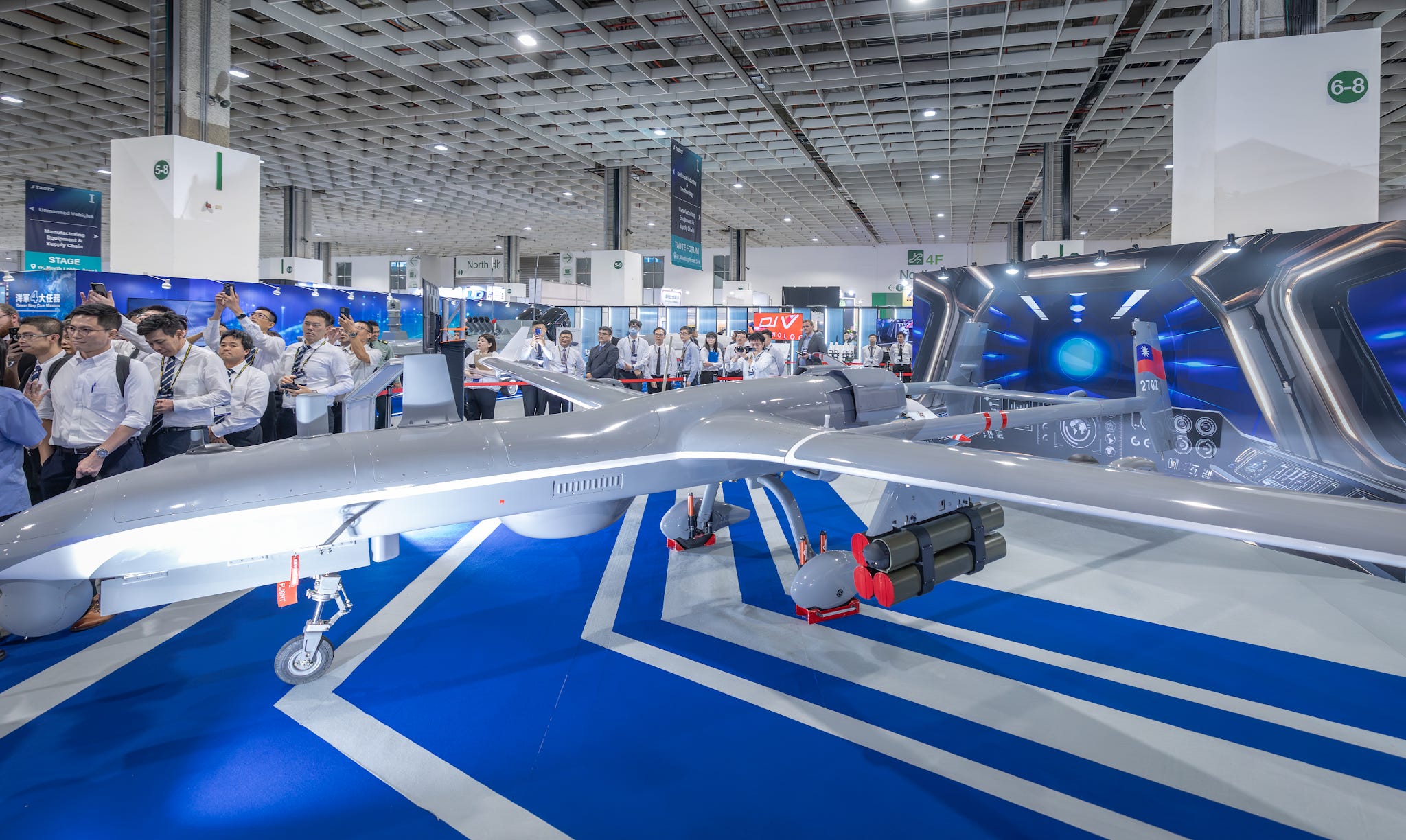
The National Chung-Shan Institute of Science and Technology (NCSIST) (國家中山科學研究院), Taiwan’s state defense technology agency, started working on drones in the early 2000s. Its Chung Shyang II (銳鳶) “Albatross” reconnaissance Group 3 UAV, used by the Republic of China Navy (ROCN), debuted in 2007. It is not attritable — only 32 were built. The size, weight, and layout are similar to Israeli drones designed in the 1970s and 1980s (IAI Scout and IAI Searcher), whereas NCSIST’s larger Teng Yun (騰雲) “Cloud Rider” reconnaissance Group 5 UAV resembles the U.S. MQ-1 Predator.9
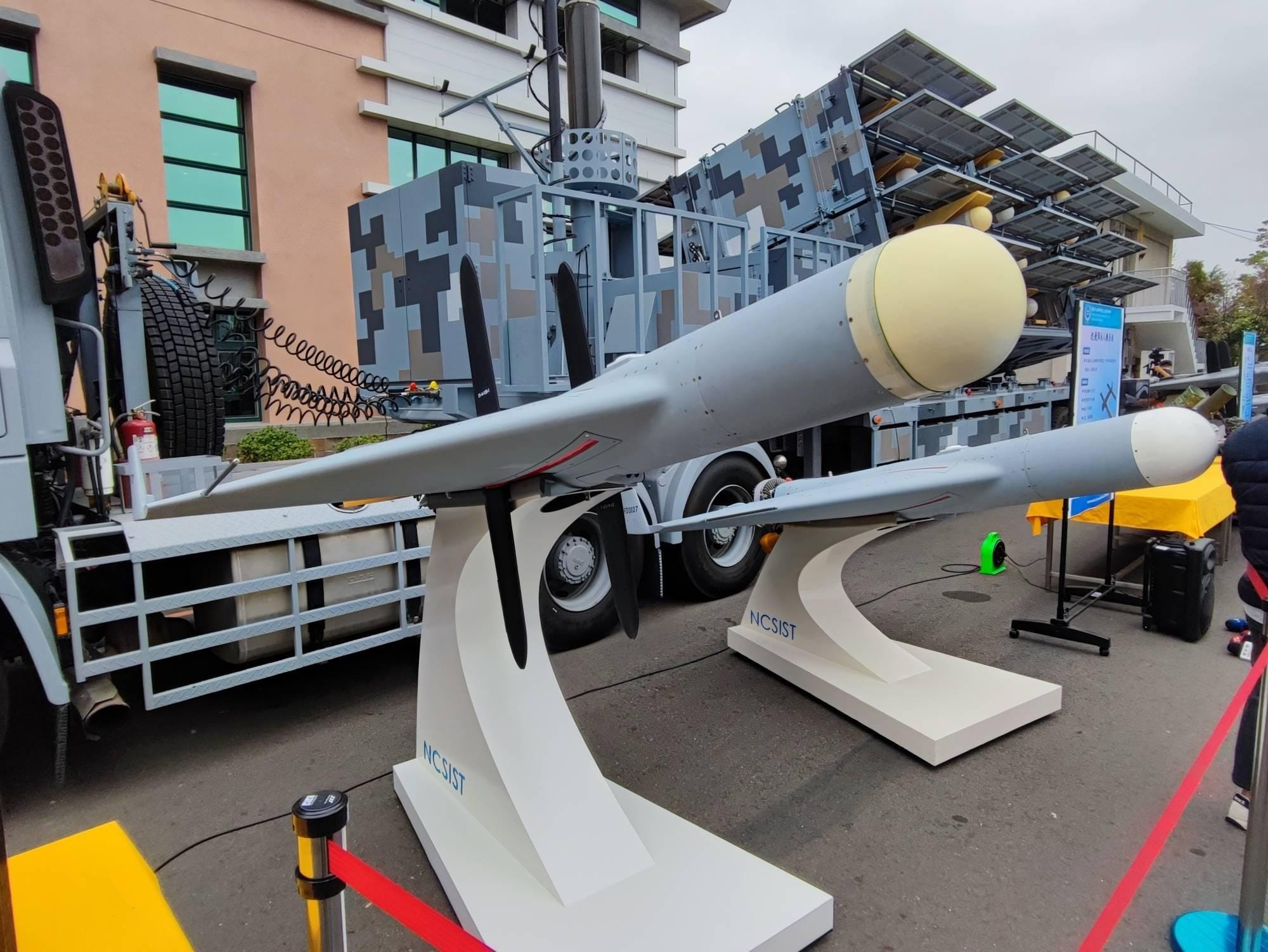
Apart from large reconnaissance and strike drones, Taiwan’s indigenously produced drones also include loitering munitions of varying sizes. NCSIST’s Chien Hsiang (劍翔) “Rising Sword,” a delta-wing loitering munition similar in appearance and size to the Israeli Harpy and Harop Group 3 systems, first appeared at the 2017 Taipei arms show and was seen test-firing from its 12-canister launch truck in 2023.10 The overall number of Chen Hsiang systems procured has been small. In November 2022, it was reported that NCSIST would produce 104 units by 2025. That target was later augmented with a goal of 192 to 200 second-generation units (up to 48 per year, from 2022 to 2025), which have the ability to launch from ships and reportedly have a range of 1,000 kilometers.
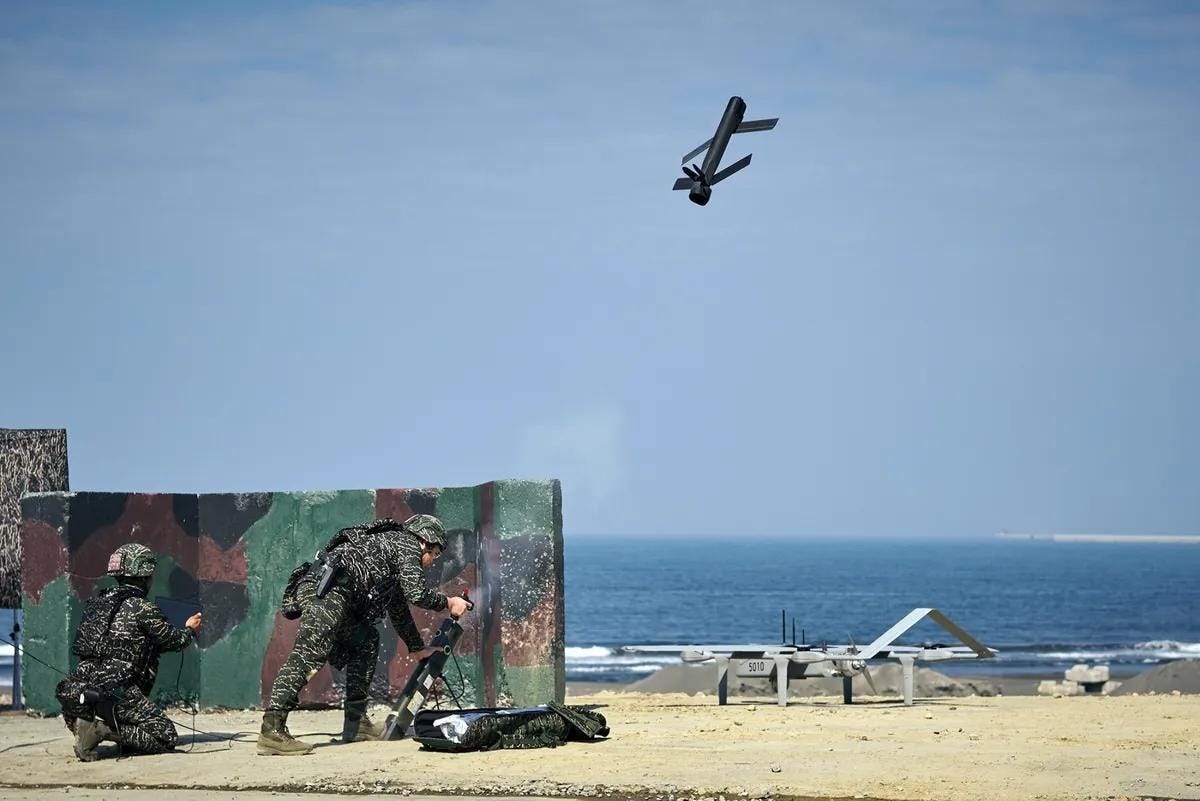
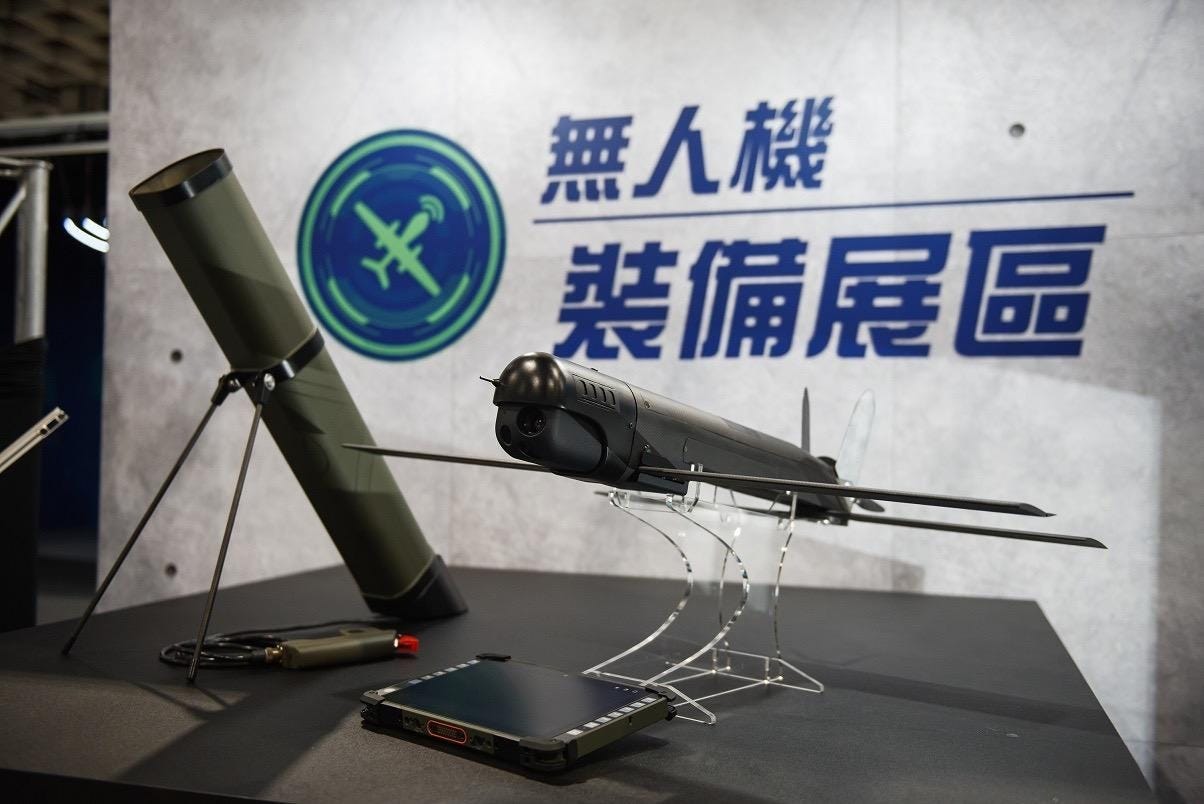
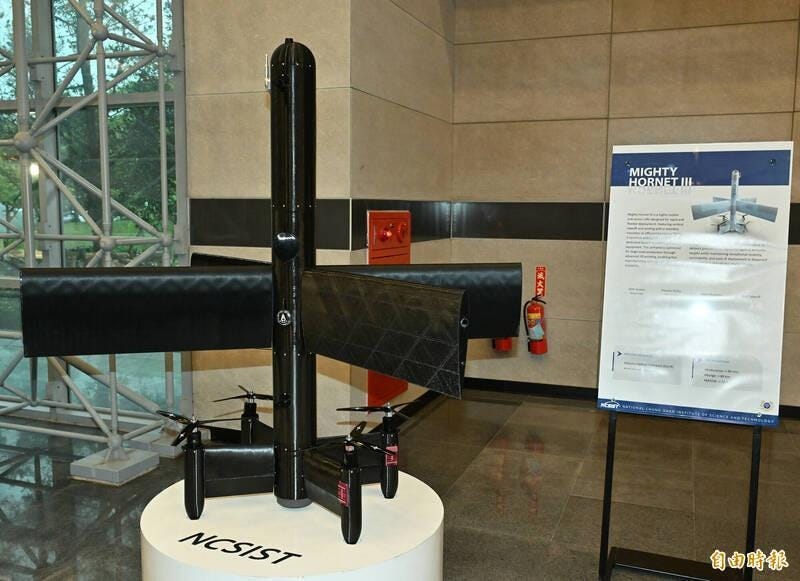
After the 2022 pivot, Taiwanese military leaders reportedly assessed that relying solely on U.S.-procured drones would be inadequate for Taiwan’s defense, leading to the development of “Type I and Type II” suicide drones. The backpack-carried, tube-launched Type I/Ching Feng I (勁蜂) “Mighty Hornet” attack drone is similar in size and appearance to the U.S.-made, Group 1 Switchblade-300 infantry-deployed system, with a reported flight time of 15 minutes and human-guided control range of eight to ten kilometers. NCSIST also claims it can be deployed from a launch tube mounted to the Albatross UAV. The Type II (or Ching Feng II) drone, which appears to either be Group 2 or 3, debuted at the 2023 arms show in a configuration featuring three units mounted in a launcher on a Humvee, and reportedly takes a crew of two or three to operate.11
Other smaller drones include the Group 1 Cardinal scout drone, whose “Fire Cardinal” (火紅雀) suicide variant was revealed at the 2019 Taipei arms show; the Ching Feng III X-wing style, VTOL, anti-armor kamikaze drone, recently tested with Shield AI’s autonomous guidance system; and the Ching Feng IV, a loitering munition developed with U.S. firm Kratos around the latter’s existing target drone design and tested successfully in February 2026 (though not yet procured by the MND). These systems have all been developed by NCSIST but incorporate assistance and components from private firms. NCSIST’s president announced plans in December 2025 to expand production of explosives in Taiwan, partly to supply these attack drones.
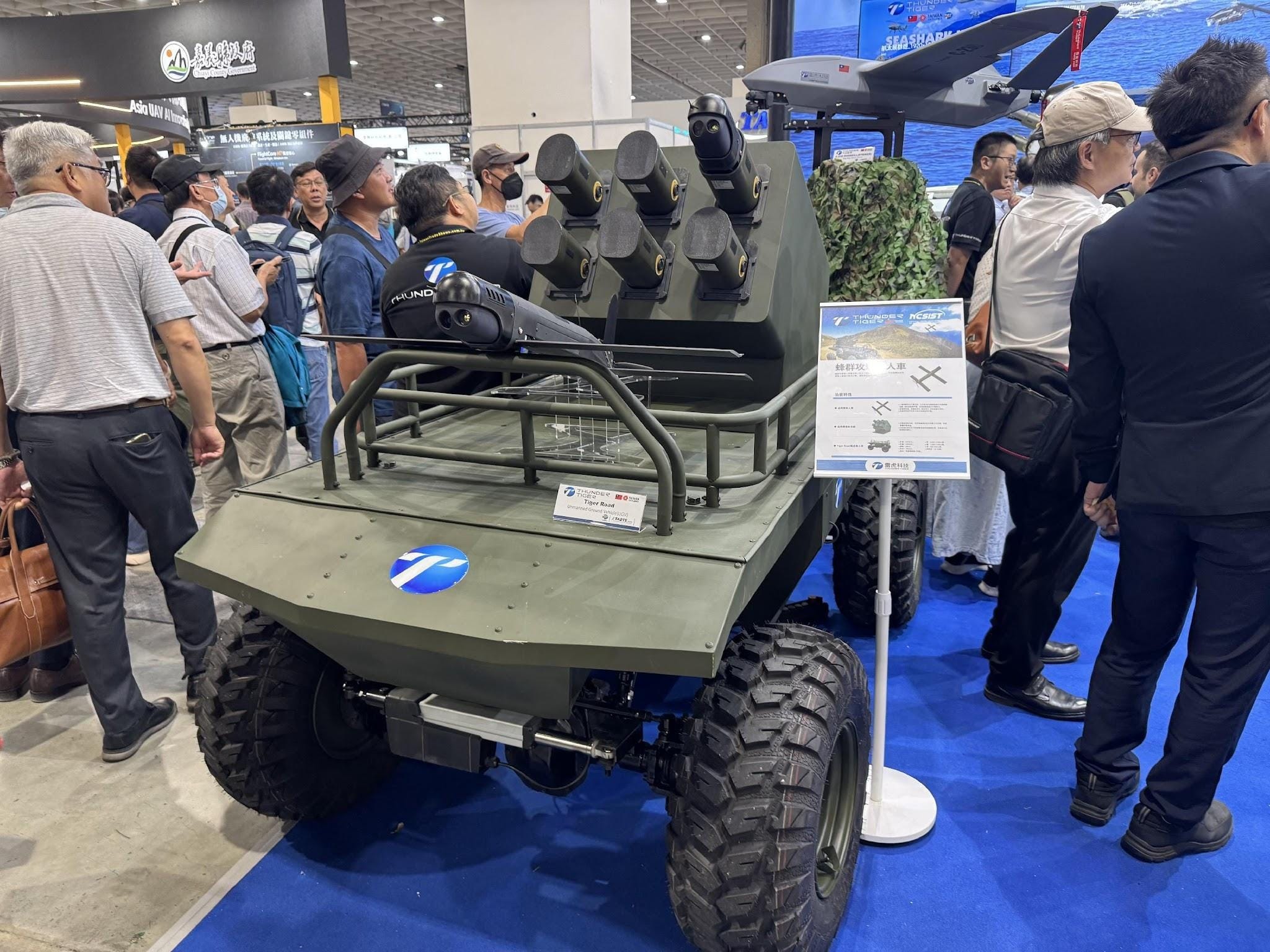
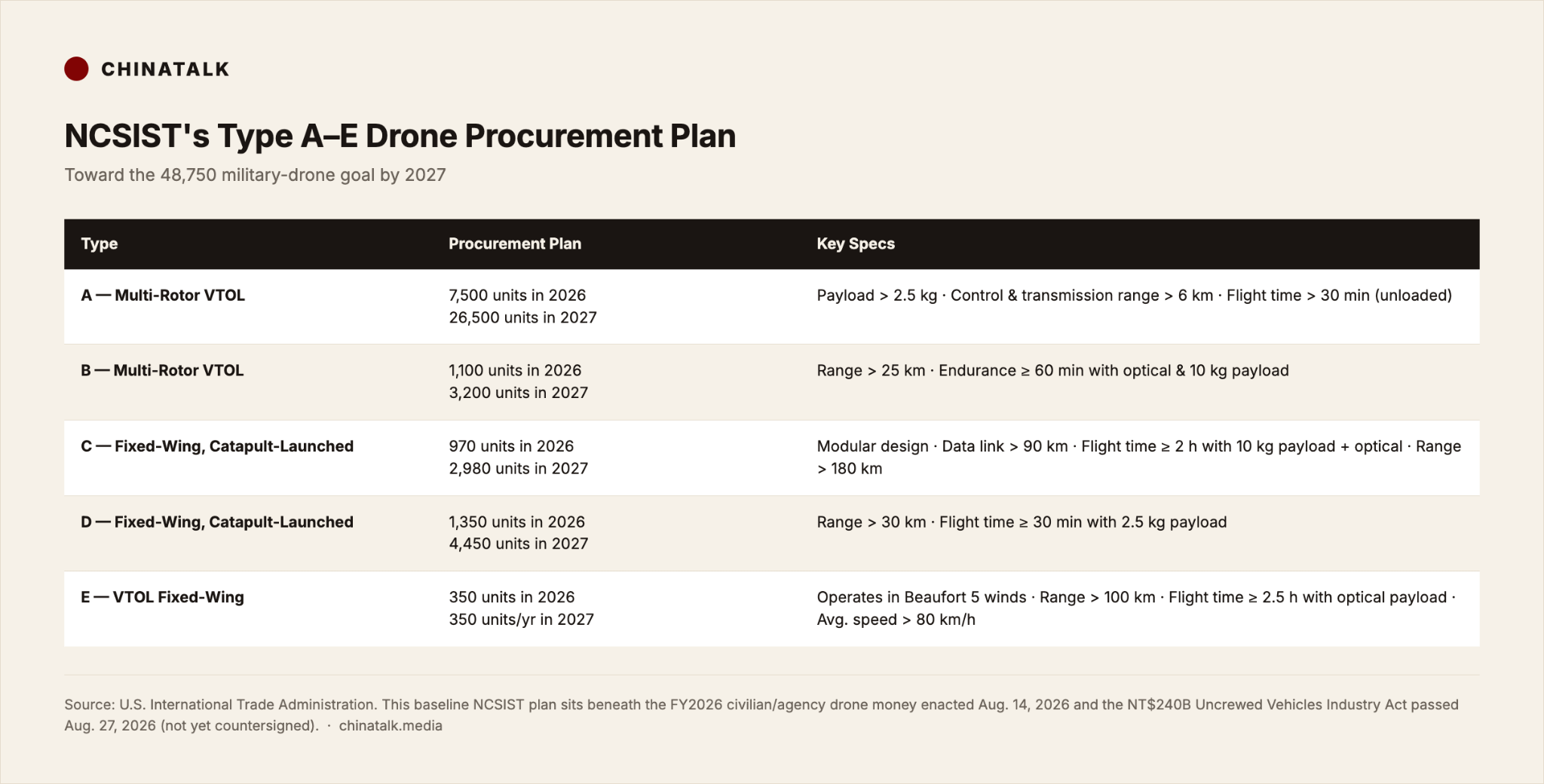
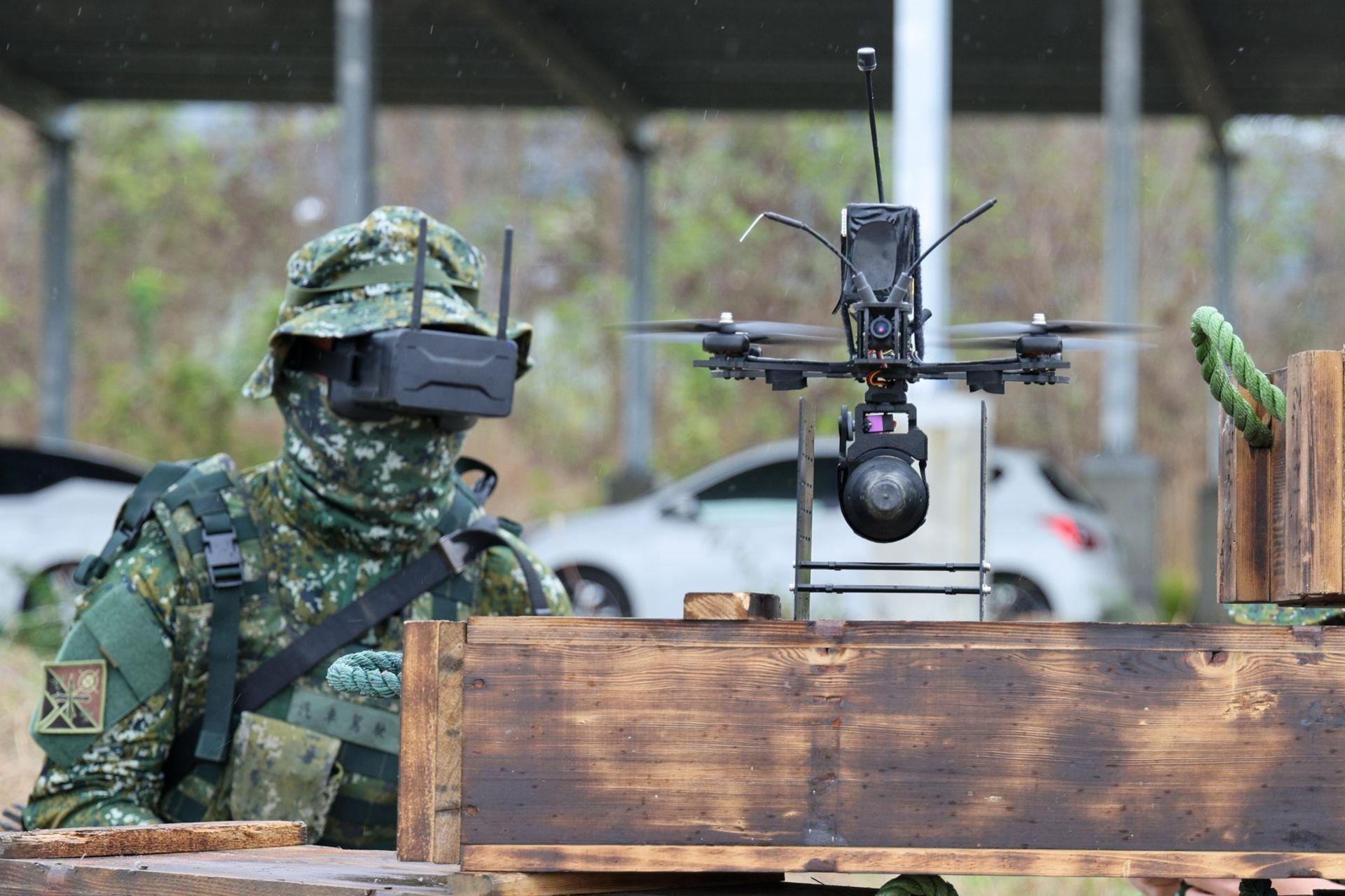
These systems, all past the prototype phase, have now been superseded by NCSIST’s newer “A through E” series of indigenously produced drones, all included in the government’s plan to procure 48,750 military drones by 2027. Drones spanning these five categories — estimated by DSET to have totaled 209,646 units in the government’s last draft proposal of the special defense budget — were not included in the May 2026 special budget passed by the LY.
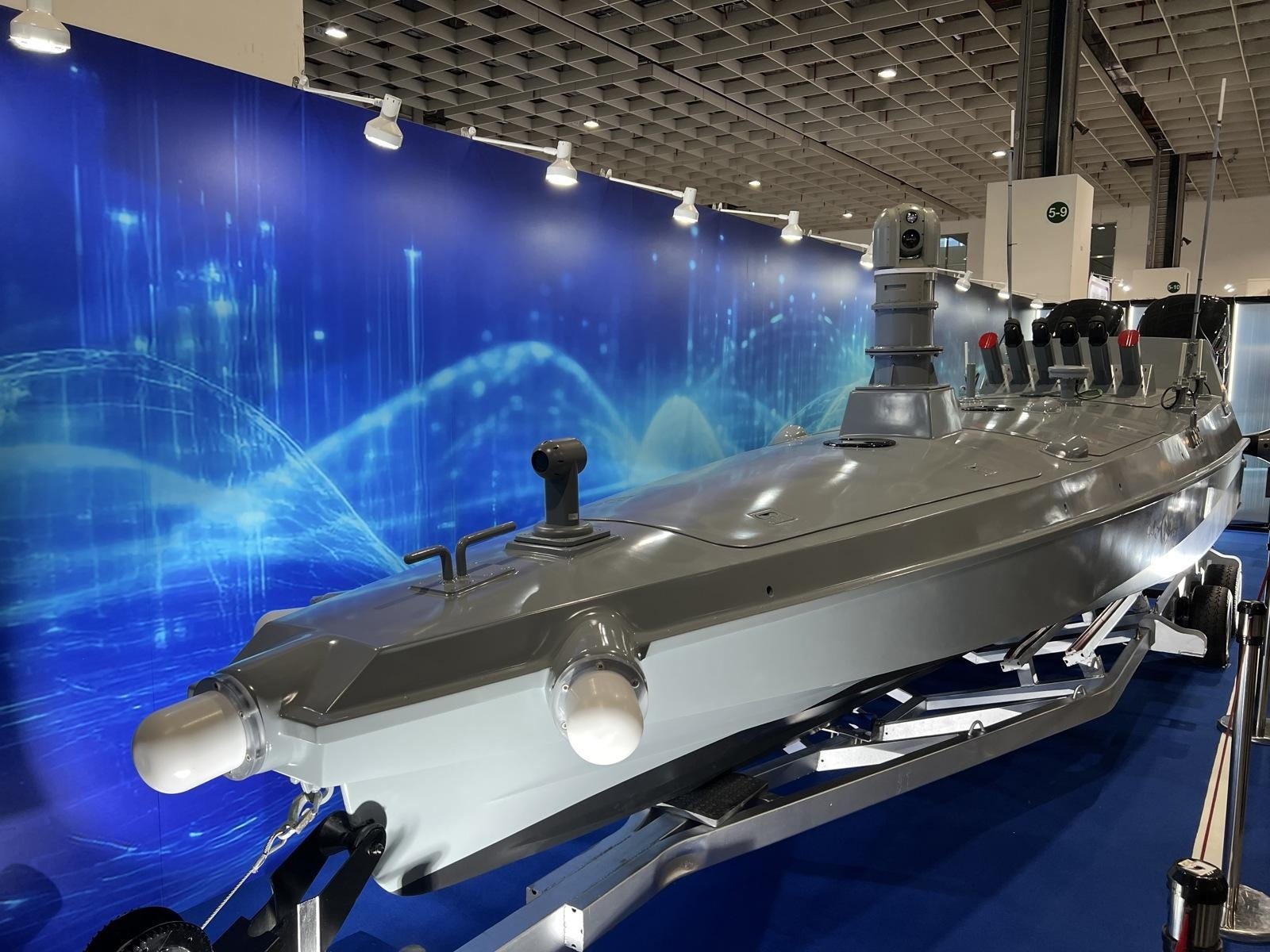
In the naval domain, NCSIST’s Kuai Chi (小型快速無人艇案) light USV reportedly passed tests in August 2025, with other designs from private Taiwanese firm Thunder Tiger and Taiwan’s state-backed shipbuilding firm less far along. Each Kuai Chi unit is reportedly around three tons, capable of firing onboard munitions or ramming enemy vessels and then detonating explosives, and designed to fit in a 40-foot shipping container. In August 2025, NCSIST tested integration of Kuai Chi drones with onboard Ching Feng I “Mighty Hornet” kamikaze drones and overhead Chung Shyang II “Albatross” UAVs for guidance. Taiwan’s Naval Command Headquarters specified that the final winner of its USV contract must have swarm capabilities and an operational range of at least 44 km (24 nautical miles), according to the command’s bid opening announcement last December. MND’s procurement goal rose from around 1,300 units to 1,500 units given additional interest from the Coast Guard in late 2025.
In addition to indigenous drones, long-range intelligence, surveillance, and reconnaissance UAV capabilities are set to be bolstered by four MQ-9B SkyGuardian drones ordered from the United States in 2020, with the first shipment delivered this year. Taiwan also announced in late 2024 it would procure 291 Altius 600M-V loitering munitions from Anduril and 685 Switchblade-300 loitering munitions from AeroVironment (now AV Inc.). Despite lawmakers’ concerns with the performance of Anduril systems in Ukraine, Taiwan’s appetite for Anduril products has grown dramatically since then.12 The special defense budget passed in May 2026 includes NT$35 billion (US$1.1 billion) of funds for 478 Altius-600ISR and 1,554 Altius-700M drones. (Altius-600ISR is Group 2 and designed for ISR and communications missions, while the larger, Group 3 Altius-700M carries explosive payloads for kamikaze missions.) And Anduril’s Barracuda-500 cruise missile, to be manufactured by NCSIST in Taiwan and designed to be much less costly than competitors, has been a key part of the defense tech firm’s focus on scalable fires as it continues to cater to U.S. war-fighting requirements in the Indo-Pacific and expand into Japan and Taiwan.
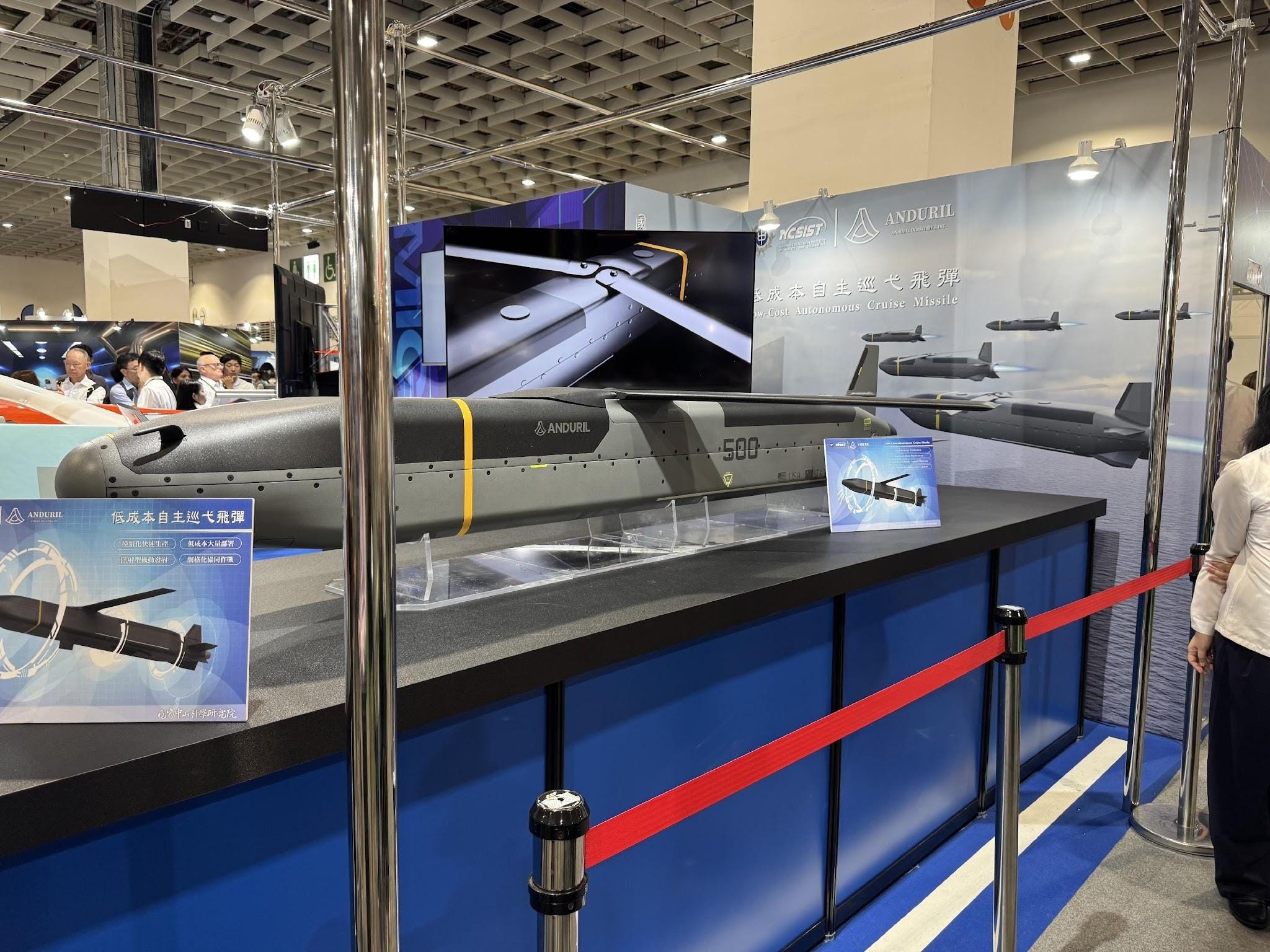
It is hard to evaluate recommendations for how these systems ought to be deployed because Taiwan’s military has a much less transparent requirements process than the United States, and needs vary by system.13 While the Kuai Chi USV’s procurement is to be overseen by Naval Command HQ, the MND said in 2025 it will be used by the Navy’s Coastal Combat Command, the Marine Corps, and the Army’s Special Operations Command, each of which has different wartime functions. Moreover, UAVs are further along in development than other drone-related systems. Taiwan’s defense minister recently stated that unmanned ground vehicles would likely appear in next year’s regular defense budget request and that military-wide command and control systems for counter-drone operations—a domain marred by reported flaws with NCSIST-developed systems—are still under development.
Conversation with opposition party staff member, May 2026.
Interview with U.S. defense executive, June 2026.
Seoul remains a buyer on the international arms market, whereas non-U.S. countries face pressure from China if they move to arm Taiwan with arms. Although Taipei has gotten its hands on subsystems like Swedish heavy guns and European states are increasingly comfortable providing Taiwan with technical assistance or selling dual-use items, procuring major systems like submarines became effectively impossible for Taiwan after China’s integration with Western economies in the 1990s. Moreover, South Korea’s role as an ally and sufficient resilience against adversarial intelligence collection qualify it for exquisite U.S. technology that it cannot build itself such as the F-35, which has and could again be rejected for sale to Taiwan not only because of the backlash from Beijing it would trigger but also because of the widespread penetration of Taiwanese government and military personnel by Chinese intelligence. For the dates of major European countries’ agreements with Beijing to cease arms sales to Taiwan, see the US-Taiwan Business Council’s 2012 report (pp. 16, 25–26).
A 2025 DSET panel with the Center for a New American Security framed Taiwan’s current approach as “building domestic production of small drones while cooperating with the United States on larger, more complex platforms.” This is especially prudent if Taipei assumes that Washington will focus on procuring higher-end systems instead of cheaper drones given the preeminence of air and sea domains for U.S. operations in a potential cross-Strait conflict.
While most U.S. and Taiwanese security experts in one survey “did not believe Taiwan could resist a PRC blockade for more than three months if there is no or very limited U.S. intervention,” they also largely discounted the 2027 window frequently cited in U.S. commentary. (“Only 13 percent of U.S. experts and 6 percent of Taiwan experts believed China’s 2027 military modernization goals would impact Beijing’s decision to quarantine, blockade, or invade Taiwan.”).
Interview with a former Ministry of Economic Affairs (MOEA) official, March 2026. The 200,000-unit MND figure originated in the special defense budget draft circulating in late 2025; by July 2026 that ask had been superseded by the Executive Yuan’s NT$210 billion drone-specific special budget and the competing KMT/TPP bills discussed below, which the MND accuses of not specifying unit volumes. MND’s announcement of coming drone spending in summer 2025 did send Thunder Tiger and other drone-related stocks upward. There are similarities between ongoing U.S. efforts to stimulate domestic drone industry through the Office of Strategic Capital and Taiwan’s MND-led state procurement efforts.
Financial transparency across the drone ecosystem is uneven. Most of the key foreign firms (Anduril, Shield AI, Auterion, General Atomics) are privately held and disclose no earnings data. Several Taiwanese counterparts are nominally public — AIDC, Thunder Tiger, Qisda, MiTAC, Evergreen Aviation Technologies — but their drone activities are minor lines within much larger, unrelated core businesses, so segment-level figures generally aren’t publicly available. Key U.S. firms include not only drone or autonomous software firms but also firms specializing in military-grade communications systems.
Former MOEA official, September 2026.
The Teng Yun 2’s service ceiling is reportedly 25,000 feet, putting it in Group 4 or 5. It reportedly completed operational testing in May 2025.
NCSIST’s website describes the Type II/Ching Feng II drone differing from the existing Chen Hsiang systems in that the former replaces the latter’s passive seeker with “an electro-optical payload to enable integrated reconnaissance and strike capabilities.”
See Resolutions 2, 19, and 21, “115 年度中央政府保衛國家安全及強化不對稱戰力計畫採購特別預算案審查報告.”
Interview with former Taiwanese military officials, February 2026; Interview with Taiwanese defense executive, April 2026.

I agree that Taiwan's strongest opportunity may lie in becoming a trusted supplier across the broader supply chain. The new US commercial drone tariffs add an interesting dimension. Taiwanese products can qualify for 15% tariffs while some others (including Chinese) face 100%.
Some thoughts on this: https://polarbrief.substack.com/publish/posts/detail/214153966?referrer=%2Fpublish%2Fhome