
Today we’re publishing some wonderful travel writing by Coolest Cat about his time in Shanxi.
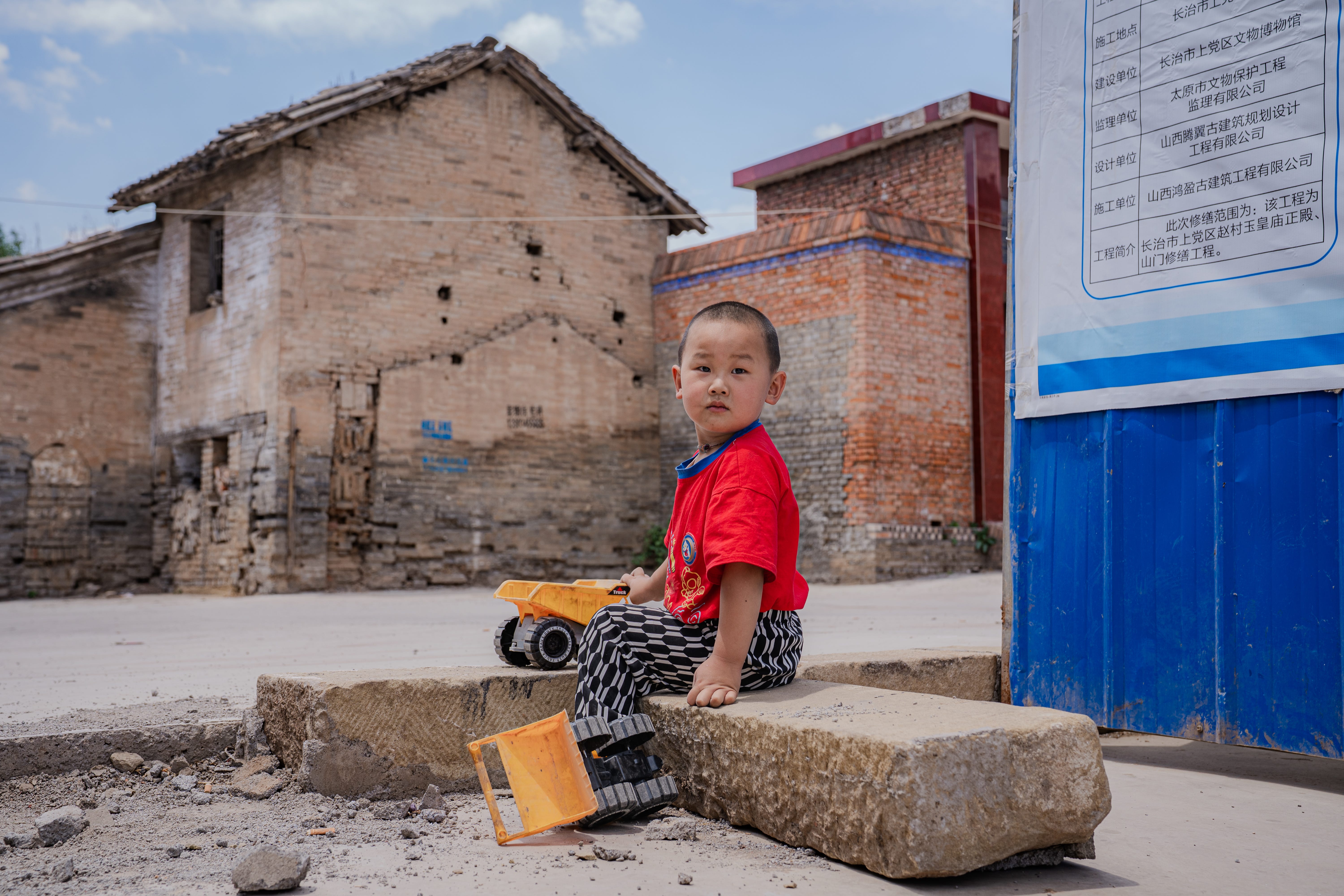
Halfway through our trip to Shanxi, in Changzhi, I met my friend W’s boyfriend X. When I first saw him, he looked much older than I expected, with tanned skin, deep wrinkles around his eyes, and a head of thinning silver-grey hair. An executive at Huawei, he had just flown in from Malaysia after a conference and had taken an uber from Zhengzhou, almost 3 hours away, and he was leaving by train the very next day; his work keeps him so busy that my friend can only catch him for a day or two every month. After visiting the allotted ancient temples and theatres of the day, we decided to have dinner at a restaurant recommended by our driver, the one he said locals take guests to when they come from out of province. It was famous for their fried hairtail and braised chicken. From the moment we sat down, X took up a relaxed but commanding posture, as if playing the role of big brother and host, but also subtly sizing me up for some unknown contest.
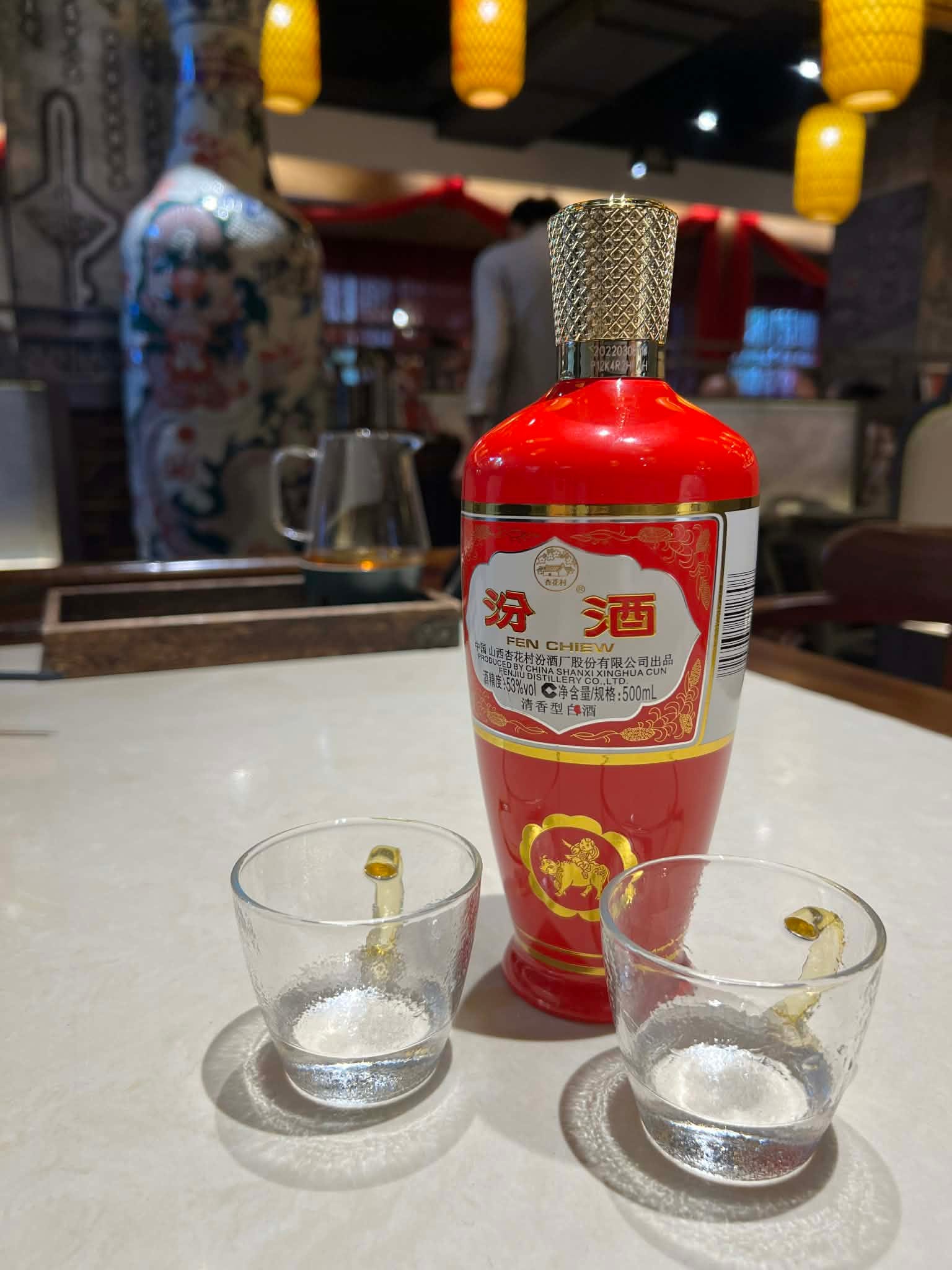
With the pleasantries and general life status exposition out of the way, X proceeded to insist on livening up the party with alcohol - in Chinese it’s called 搞气氛, bringing up the mood / atmosphere. He went next door to buy some 汾酒, a local liquor, and spent the next hour trying to get me to drink. Even though W said, “he really doesn’t drink” five times, he continued to raise his glass and motion for her to pour me a cup. He was so used to this way of socialization, coaxing new friends and acquaintances to drink, that it was hard for him to make friends in a different manner. Indeed, this was probably more important than any other aspect of his job requirements. This was what he did, day after day, country after country, doing business with managers and clients, which really means drinking with men in clubs and restaurants until they’re so drunk they’ll sign almost anything.
He proceeded to brag about his tolerance, how he could drink an entire litre of baijiu and barely feel a thing. He poured out the shots 100ml at a time, and kept downing shot after shot even though no one was drinking with him. He knew I was a foreigner from a different culture, but he still felt the need to quip that I was not giving him face - 给面子 - by refusing to drink. I felt bad for my friend having to mediate between us; I was experiencing my first culture shock moment of many on this trip.
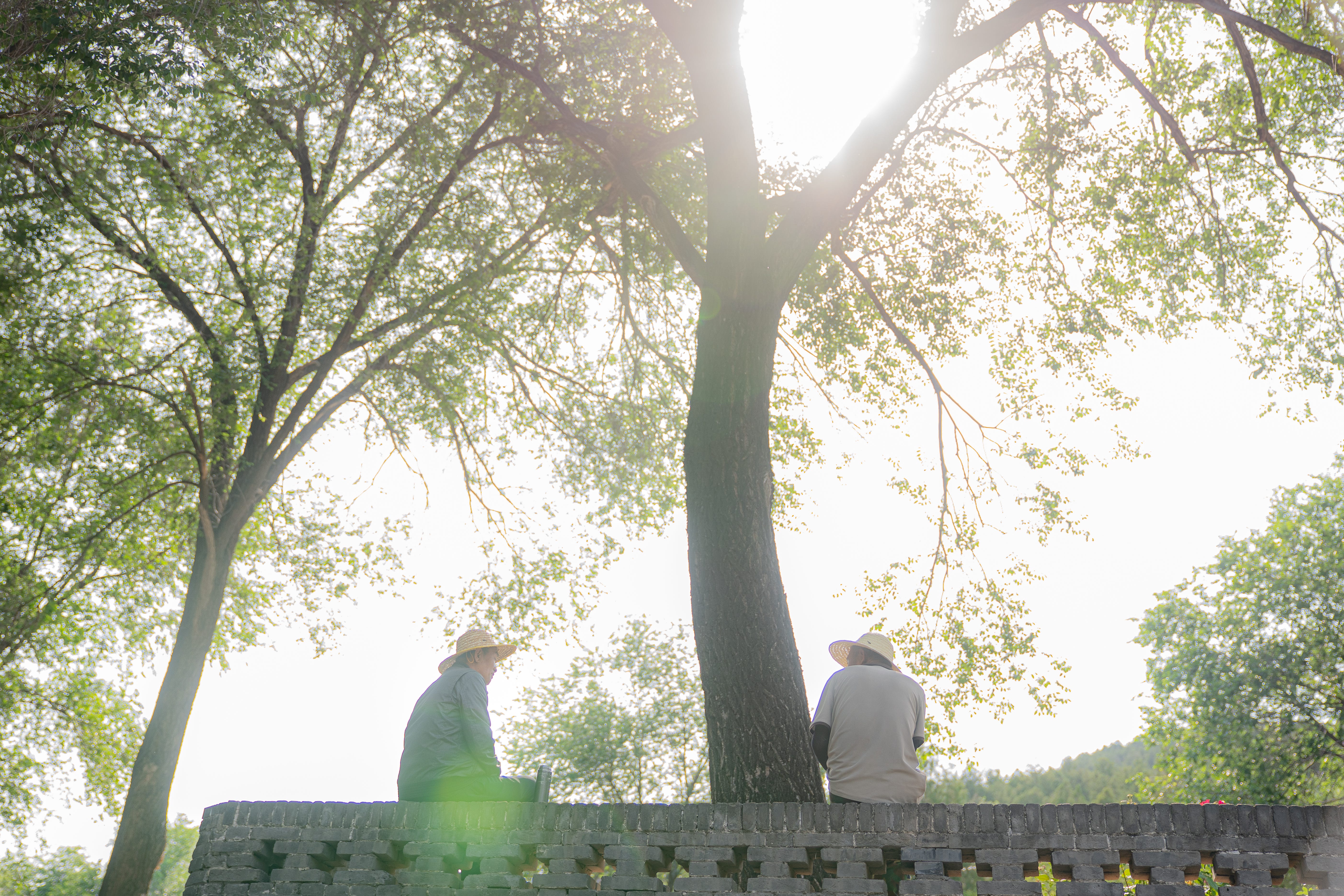
In the summer of 2025, my friend W invited me to go with her to Shanxi for three weeks, and we visited Taiyuan, Yuncheng, Linfen, Fenyang, and Changzhi. She wanted to do a photo series on ancient outdoor theatres. Having traditionally been used to perform Shanxi Opera, they had been repurposed as community centers and revolutionary drama stages during the Mao era. These theatres are dotted across the vast countryside, with every tiny village having at least one. In addition, as any proud local will tell you, Shanxi has 70% of all surviving pre-Qing dynasty architecture in China - only Yuan Dynasty and earlier relics are even considered cultural heritage and eligible for protection. In the sprawling cities though, the long shadows of the 煤老板 (coal barons) loom large. They come up again and again in every conversation, a symbol of history past and present, transformation and possibility.
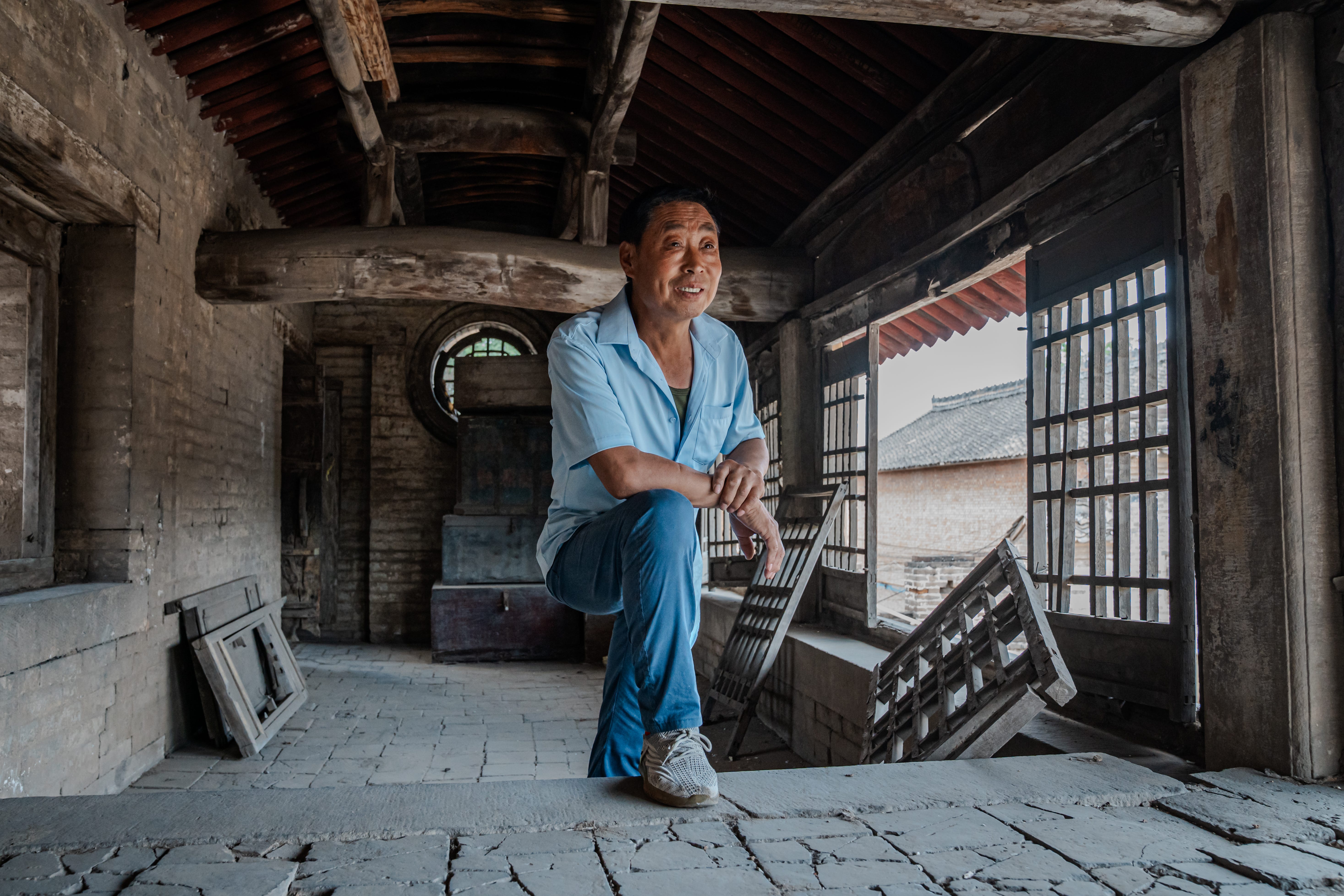
For most of the 20th century, Shanxi was one of the poorest provinces in China - landlocked, with dry soil and weak agriculture, and suffering devastation in all the wars and warlord conflicts from the late Qing onwards due to its strategic geography.
Quick thirty second history (for details, read the Ezra Vogel book [Jordan: I’d also recommend the Pantsov and Levine Deng biography!]): Zhou Enlai died in 1976. Deng Xiaoping (praise be his name) was purged from party leadership for the third and final time in his life by the Gang of Four. Mao died later in 1976. Deng returned in the summer of 1977, and by 1978, he had replaced Hua Guofeng as de facto paramount leader. Before 1978, everything was state-owned. By the early 1980’s, over 20 million youths returned to the urban areas from the countryside after the cultural revolution. The gaokao and universities started up again, but enrollment was severely limited. State enterprises didn’t have money to hire all of these restless youth, and Deng used the danger of starvation and instability to permit people to “find their own solutions” - the leadership found it difficult to argue against letting people not starve.
And so, Deng opened the trickle that led to the flood - household enterprises sprung up everywhere, and then township and village enterprises (TVEs), a model of enterprise based on collective ownership and supervised by local party officials, soon followed and flourished. The ideological justification was found in volume 4 of Das Kapital, where Marx talks about an employer with 8 employees who was exploiting their labour. Thus came the famous 7 person rule - as long as the company had 7 people or less, it was fine. In practice, businesses started growing well past this limitation. You know the rest - from the late 70’s until he officially stepped off the stage after his southern tour of 1992, Deng promoted the development of the special economic zones, said something about “getting rich first”, China became the workshop of the world, and now westerners marvel at the towers of Chongqing on Tiktok.
In Shanxi, just like everywhere else in China, Deng changed everything. From 改革开放 (reform and opening up), a whole generation of semi-literate local bullies and landlords got rich and powerful, forming a new aristocracy of bureaucrat-entrepreneurs. Wealth and power go hand in hand everywhere but nowhere is it more literally true than in China.
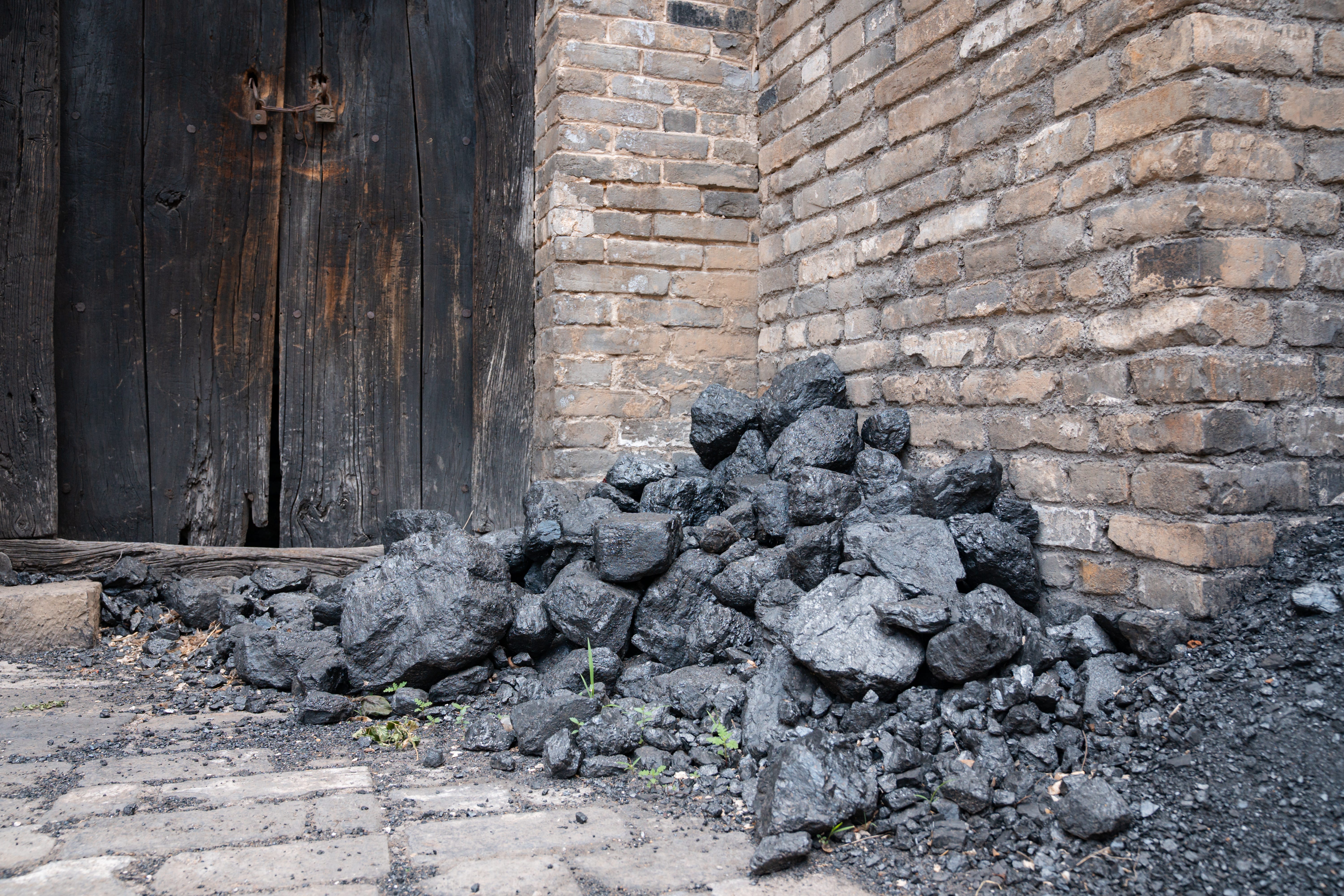
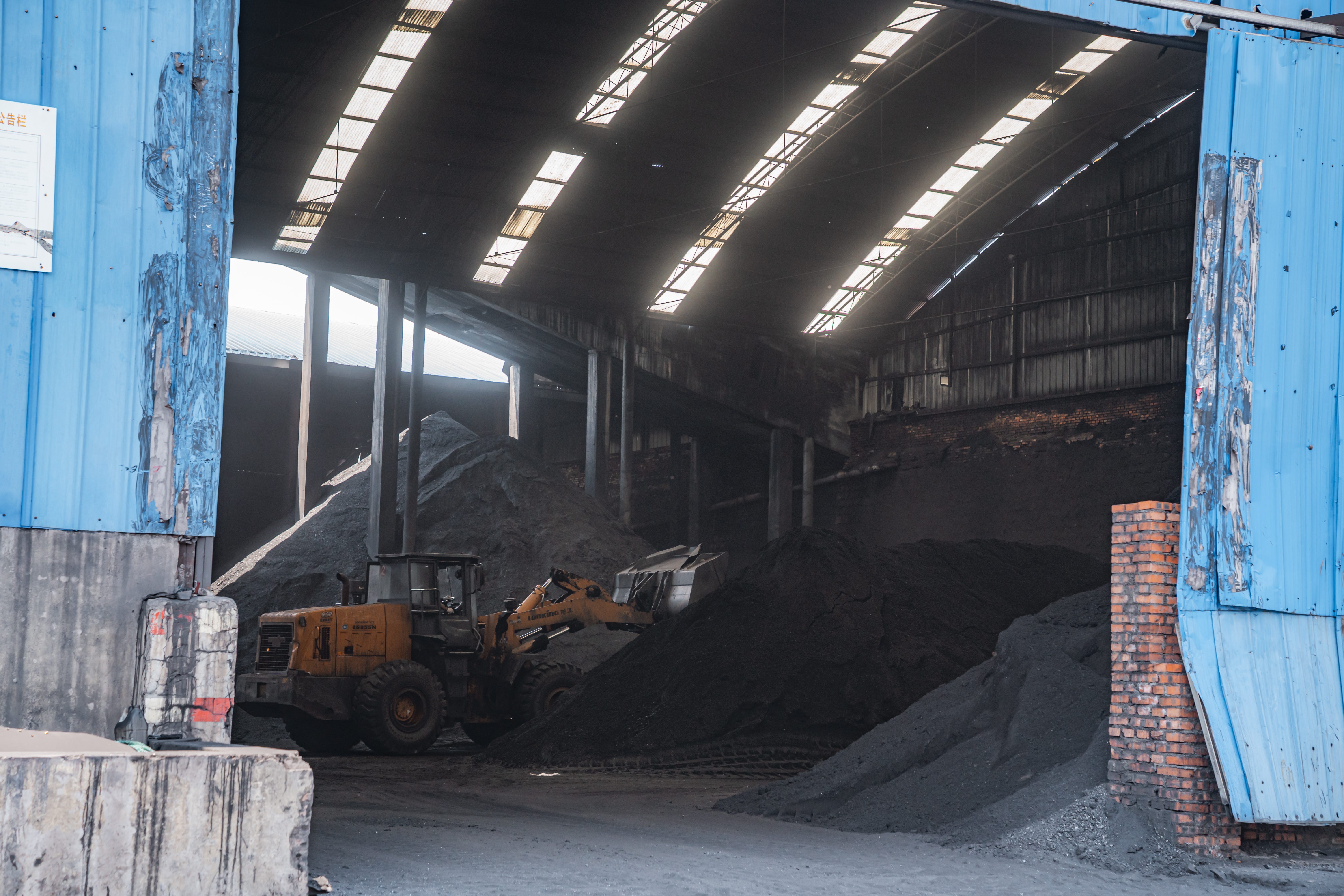
Shanxi was known for having massive coal reserves through the Mao era, but mining truly exploded due to the astronomical energy demands of a China awakening from its centuries-long slumber. Remember those “collective ownership” TVEs? Well, the demand for energy was so vast that all the rules were quickly bent. In Shanxi, they became essentially thousands of partnerships between party cadres and corrupt businessmen who exploited their workers (coal miners) and took all the profits. These mines operated as corporations controlled by individuals and protected by local governments, with plenty of cash flooding everyone’s pockets to keep them quiet when necessary.
Since the early 2000’s, the thousands of individual mines consolidated and conglomerated. Flash forward to 2025 and now all the mines are part of a few state owned enterprises. But those two decades generated what we like to call “generational wealth” - a whole class of de facto nobility emerged. They built old-fashioned greed empires excavated from the earth, retired to gaudy architectural trash pleasure palaces in the fields, and now their kids study at North American universities and flaunt their Lamborghinis in Vancouver and Los Angeles.
Whereas the landscape of conducting business in coastal China has settled down since the lawless wild west of the 80’s (when anyone could take their homemade recipe, slap a coca cola label on it, and sell it with impunity), we’re told much of the economy of Shanxi and the rest of the more underdeveloped west is still based on mutual trust and 酒桌文化 (drinking culture). All the licenses for actually mining coal have long since been handed out via complex networks of 关系 (guanxi) and are no longer accessible, but we’re told that some parts of the coal storage and distribution pipeline are still very much up for grabs. To survive, you’ll have to play the “great game” of calculated flattery, bribery, and betrayal. To get to the top, you have to have guanxi, and to build those relationships, you have to wine and dine the right people and say the right words and have the right relatives. If you knew the right people, they could literally open the doors for you, getting you into the room with people who can make things happen.
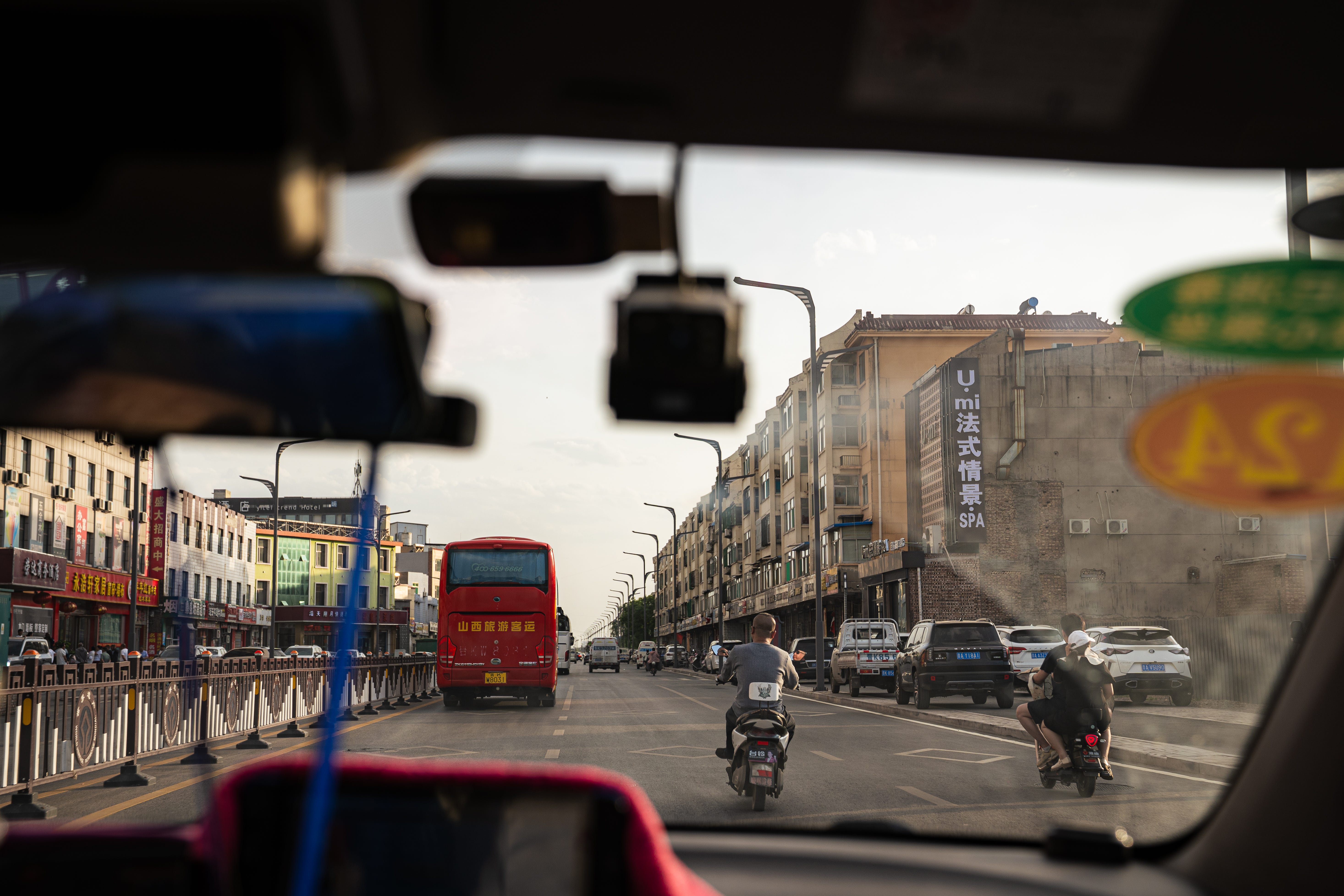
In Yuncheng, a city in southern Shanxi, we hired a driver to take us around the area for the five days we were there. He was in his mid 20’s, a bit chubby, courteous, and jovial, if a bit reserved, and he always talked with a drowsy drawl. He looked like a cross between a panda and a sloth. He told us to call him Brother D. At first our conversations were halting and awkward; he seemed always on the verge of taking a nap (while driving), and he struck me as a man who simply wanted to get through the day and get paid. But everything opened up when we discovered that before becoming a tour guide / driver, he was a police officer.
Over long rides between temples, he explained - there are two levels of police - serious crimes and lesser crimes, and he’s worked in both. The societal position of police is very high (unlike in the west, where people don’t respect police in the same way). People take very complicated exams just for the privilege of attending police academies, and it’s a position that the population at large aspires for (like being a doctor in Canada). After he transferred to the homicide division, he witnessed some truly shocking events, like when an unmarried man killed family of six because the patriarch of that family had been relentlessly bullying and mocking him (不要欺负老实人!), or when a man stabbed a girl he spent way too much money on 19 times when she refused marriage.
One morning, he was 20 minutes late to pick us up and he apologized profusely. This was his reason:
“This morning as I was leaving for work I saw a boy get hit by a car, fly through the air, and land many metres away. He took his last grasping gasp, and expired. They wouldn’t let me leave for the longest time as a witness.”
And I could picture the police closing off the scene, the inconsolable wailing of a mother, the curious onlookers crowding the white and blue police tape, a taxi driver horrified with what will become of his livelihood and his life.
“The driver will keep his license. He will probably have to pay a significant fee to the family. Life will continue as normal.” He told us. I think what we were most shocked about was his complete nonchalance at witnessing death - he had seen too much as a police officer. Actually that was why he quit, he later said. Too much death.
As a 社会人, a “society man” par excellence, in addition to working in the tourism industry, D has his hands in many different pots. The most lucrative of them, he says, is the construction business he has been trying to set up for many years. But it’s caused him endless headaches.
“Being cheated is a commonplace fact of life. Everyone has gone through it - when I started off in construction I lost 1-2 million rmb trying to get permits. I had to learn to make sure they actually know the person they said they knew, there’s no way I could sue them for fraud! Also, the government owes our company almost 7 million for completion of the projects but their budget is tight right now so they can’t pay it back.”
“Anyone can be bought for the right price depending on the favour.” He says. “Maybe he’s a huge fan of a musician and you can get his support if you manage to grab him tickets to their concert. Or maybe they’re super into shoes, so you get him a limited edition pair. Money works, almost all the time, but you need to know how much and for what. And even the most incorruptible official or police officer, he might say no to all the money you give him, but he might fall prey to the greatest prize of all - beautiful women. So you get him a beautiful hooker girlfriend, you pay her rent, and you make sure she’s always available for him. And then he does what you ask. Yes, I’ve had to set this kind of thing up before for my business. You have to find everyone’s 点 (point).”
In addition to legitimate and shady businesses, he also made a lot of money in bribery as a police officer. People manufacturing and selling not only traditional drugs like crystal meth and heroin, but also homemade concoctions with exotic Chinese medicine ingredients that are officially illegal, lined up to pay him to look the other way. But he said that the drug trade was actually not that common in Shanxi, compared to other provinces. Another source of income was KTVs, which need to pay close to 5000rmb a month (a ballpark figure) to each of three levels of government and police to make sure they’re well notified in advance of official inspection visits. So they can house prostitutes obviously, and maybe even gambling and drugs. But mostly just prostitutes.
In addition to the KTVs and the drug dealers, he said that the most lucrative of his police officer bribes came from name changes. Yes, from using his privileged access to the national database in order to change entries within, allowing people to change their names and receive new identities. He assures us that at least in his district, you can pay the police from 500k to upwards of tens of millions of rmb in order to erase your name from all the databases, even if you’re a wanted criminal (especially if you’re a wanted criminal… although I suppose you might want to disappear for other reasons too…) He said that one time he pocketed 1.7 million rmb in one transaction for helping someone disappear.
This gets me thinking that maybe the Chinese surveillance state isn’t as powerful as western media likes to have us believe, that it’s all just propaganda. Perhaps the deep surveillance is completely hidden from the rank and file, from the uncountable number of security personnel and policemen standing guard on every street corner, from the ubiquitous facial recognition algorithms on the streets. Maybe only people with high clearance level can access them. If you pay them to change your identity, can you really can get past every level of security in the country, even the national border? Does the panopticon have layers of fallibility?
“Do you really need all this money? And why haven’t you retired then?” We ask.
“Of course I need more money - it’s always good to have more income. Things are so expensive now and personally, I like to indulge in luxuries. But even daily costs are rising. Just cigarettes cost 60 rmb a day…” He smokes like a chimney, but made sure to do it outside of the car so the smell wouldn’t bother us.
He mentioned some other luxuries he can’t live without. “Sometimes when I can’t sleep, I’ll hire a driver and just tell him to drive without a destination. I’ll sit in the passenger seat as the gentle bumps lull me to sleep; I’ll nap for 4-5 hours before telling the driver to take me home. But my greatest indulgence is massages. I don’t go for those cheap ones either. I go to the high end ones that are 500 rmb per hour. If I had to estimate, I’ve probably spent over 600k rmb in massages over the past 3 years. Yes, I mean regular massages, not special massages, I’m not into that shit.” He says, grinning sheepishly.
At this point, we have to take his monetary figures with a grain of salt. After all, if what he’s saying is true, on average that’s a massage more than every other day, on top of all his work obligations. And those astronomical figures from bribery - if he truly had such vast amounts of disposable income, does he really have to drive us around all day, 10 hours a day, for 400 yuan? It seems unlikely. W informs me that Chinese people love to 吹牛 - the psychological need to project wealth (or ability). He’s too used to conversations involving comparisons of money - his friend circle is populated with the petty entrepreneurs of rural Shanxi getting rich, or pretending to. His ego can’t help but boast about his bulging coffers, and no one in his life has ever asked the question - “how much is enough?”
In Deng’s “socialist” China, individuals have to continually fend for themselves in a toxically competitive, lightly regulated business environment. If one business fails they’ll work around the clock until they get the initial capital to start again; giving up is not an option. Actually, many would say that’s the whole point - “socialism with Chinese characteristics”, supposed to serve the people while harnessing the power of capitalist competition, generating wealth that can then be shared with the people. But what they essentially did was trade the lives of Gen X and Millennials, working them to the bone, so that Gen Z can 躺平 (lie flat).
The most capable of them became officials and party secretaries; some others managed to scramble and grab a piece of the massive pie as entrepreneurs, and the overflow became corporate drones jostling for power and promotions. This generation that came of age since 改革开放 is fundamentally different from the ones who came before or after - they grew up in the most rapidly changing society in history, probably ever. Astronomical fortunes were made and lost. They had to put on a public face, scheme endlessly and connive and form and break alliances in order to survive (and thrive). They clawed and grinded their way to the top at all costs, or else fell into debt and poverty and humiliation.
W’s boyfriend X, the one who insisted that I drink with him, is from Generation X. He grew up in the poor parts of Shanghai, but now he lives in Malaysia. I say older but he is only in his early 40’s. To me, he looks at least 50, and he easily admits it - talking to him feels like talking to an old uncle. He’s a textbook specimen of a mid level management Huawei employee.
“That’s the way it goes,” he says. “They wring you out. By the time you’re forty, you look 55. At 45, you retire not because you want to but because they’ve exhausted your usefulness, your energy has run dry.”
He does this because he has to; he has seven family members to feed, including an ex wife and child, but I have to guess that he also enjoys the hectic lifestyle, constantly flying back and forth across continents for tech conferences and trade shows. The most annoying part of his job (and probably most office jobs) is that you have to give off the impression that you’re always working. He couldn’t let the boss know that he’s taking the weekend off to visit his girlfriend in China; he’s supposed to be online and available on weekends. So he had to fly back to Malaysia from his conference in Denmark before flying all the way up to China. He couldn’t trust his colleagues who went with him to the conference not to snitch.
With W, he was constantly in mansplaining mode, whether it was business practices in Korea versus Japan, or just the dishes on the menu. I couldn’t tell if they were fighting or if it was just the banter of almost-married couples, but he would always give the impression of belittling her, not overtly, but speaking from a mindset of intellectual and financial superiority. When she would talk at length about something she’s passionate about, or ask important questions that make the driver or others around uncomfortable because they’re insightful, he would call her annoying in a subtle nudge to get her to drop the subject.
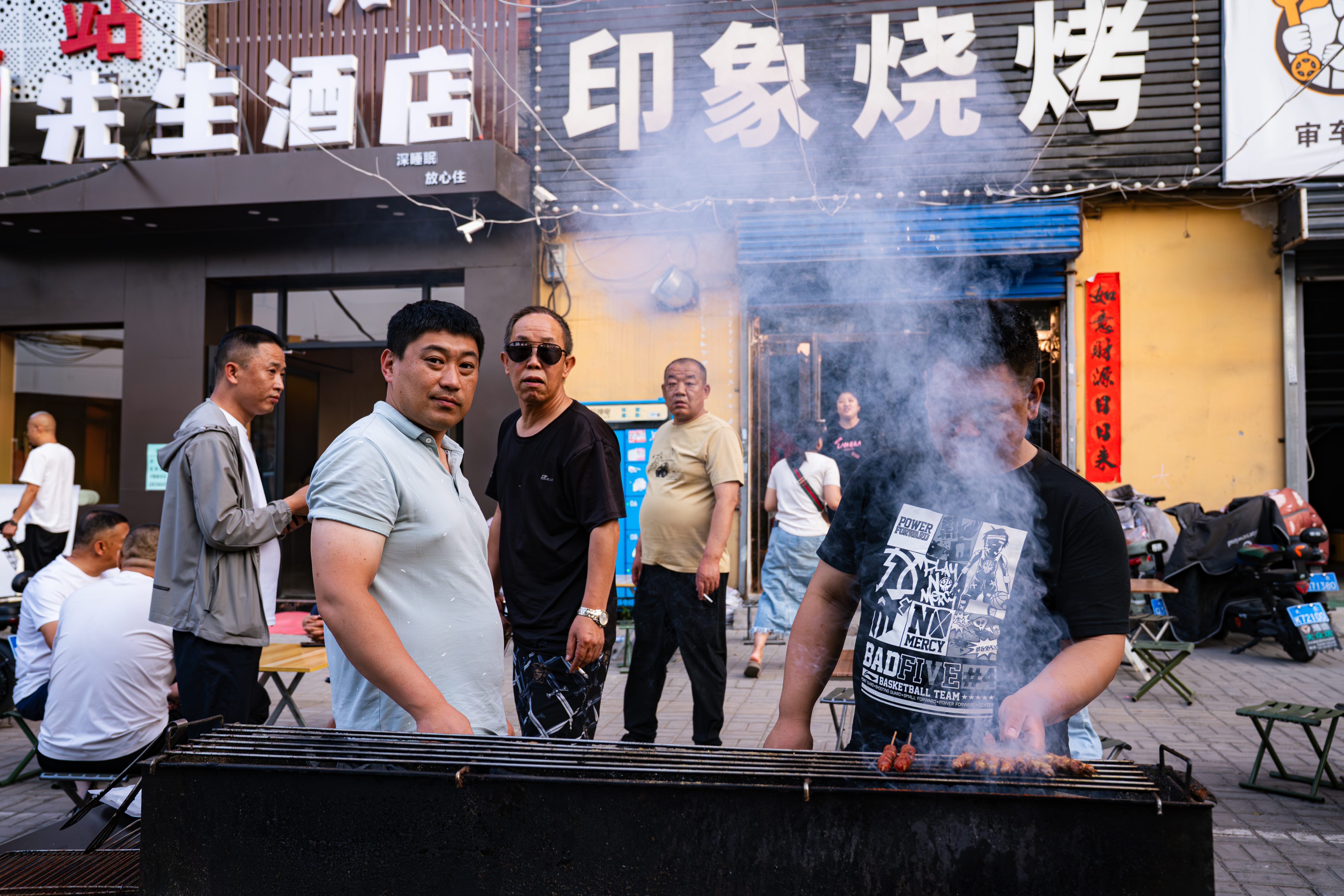
I learned a new word recently - 爹味. This idea, especially its more slangy alternative 老登, has been making the rounds on the internet recently. Men who are 爹味 always say things like 打个比方说 (“I’d compare it like this” or “let’s put it this way”). Think middle aged men drinking beer or hanging out at the park, constantly explaining their politics, their views on China, Japan, and America, telling their spouses and children to stop bending their necks down to look at their phones. W’s boyfriend was the most 爹味 person I’ve ever met irl.
Turn on your TV at any hotel to watch the local TV channels, and you’ll see 爹味 men everywhere - in dramas, on historical explanation shows, giving press conferences, and so on. Nowhere are 爹味 men more prevalent than in the glorious CCP bureaucracy itself.
In the government, masculine 爹味 tendencies transcend the work culture and becomes ossified into their modus operandi. Disclaimer: I am far from an expert on the bureaucracy. All I know is that there is a rigid hierarchy from the 村委会 all the way up to the provincial party secretaries and Xi himself. But the impression I got from my time in China is that the majority of them don’t really do very much, that is to say, it’s a bullshit job. But everyone wants one of these jobs, the exams are very competitive, even though they actually don’t pay very well. They’re what the Chinese call 铁饭碗 (iron bowl). There’s a lot of dinners and pointless documents and meetings, unless you’re unlucky enough to be one of the young cadres who has to do “real” work, running around villages to stop them from burning crops for example, or supervising the putting up of patriotic signs and banners. Otherwise, you get wined and dined by an entourage of oily, obsequious businessmen, tour factories, and trade favours with the police.
To be fair, it looks like the people at the top are trying to do something about all this backroom bribery. Ever since he came to power (and before), Xi has been notorious for taking care of his enemies by cracking down on corruption. Recently, the anti-corruption campaign was stepped up a notch, even if mostly symbolically. Government employees were banned from eating or hanging out with each other in groups larger than 3. No more wine and dines, drinking contests, KTV girls, and hopefully, less corruption.
I happened to be hanging out with another friend a few nights before that news leaked. He works as a low-level government employee of a medium sized provincial city. That night, we were supposed to be having a chill dinner but he had to excuse himself to work, talking non-stop on the phone. What was he doing? He was making the rounds, calling dozens of employees within his department to transmit the news orally. The memo had just come down from above and people needed to be notified immediately. Why all this secrecy and commotion?
His partner told me that this happens semi-regularly, the hushed 1 on 1 memo dissemination.
“Another time this kind of thing happened in recent memory was a few months ago when a 3 year old boy went missing in our city.” She told me. “We had to let everyone know that it was forbidden to report on this issue no matter what new information you may come across.”
As we were waiting for the taxi at the end of the night, she told me that he still has 10 calls to go, and that it’s probably going to take all night, well past 1am. I’m genuinely confused - why does he have to call each of his subordinates in turn? Why can’t they send an email or something?
“It’s something that the government wants them to do but doesn’t want to announce officially, as part of an official statement”, she explains.
“They want to make it seem like the employees are doing everything willingly. For example this time he’s technically promulgating the news that employee social or casual gatherings are now disallowed. They want to prevent corruption so there’s strictly no personal relationships with coworkers. But they have to pass down these edicts and codes of conduct discreetly, they don’t want any employee taking a screenshot or something and showing it to their friends, to the media etc. because that would degrade the government’s image.”
In China, things often do circle back to the ancestral obsession with saving face. Everyone from the bottom up to the top leaders save face if there’s no written record to refer back to. What was the point of all that, when the news came out a few days later anyways? How many completely pointless tasks fill up his days for the sake of his 铁饭碗?
I was down a rabbit hole of fathoming what the point of all this was, until W told me what happens when someone takes these rituals seriously, when they try to turn performance into accountability. Her family friend, who worked in the government, ended up leaving his post because of some seriously messed up circumstances.
Here’s what happened. It had come to his attention that a higher level local official had been abusing his power, receiving some small bribes and petty benefits. With a strong sense of justice in his heart, he secretly had a small committee draft a report that they were just about to bring in to higher-ups. Meeting in secret in his apartment to discuss the final details before submitting the report, he hears knocking on the door.
At first it is tentative, but the knocking gets louder, like they mean to break down the door. He has told no one but the people in this room about the meeting, but someone must have snitched.
A text message comes through: “We know you’re at home.”
The door opens and he gets snatched from his home in Ningbo by national security officers who are not wearing uniforms. These official-unofficial thugs bring him to a holding cell and just keep him there for 24 hours, no contact with the outside world. They knew they couldn’t hold him for more than 24 hours as it would be illegal and/or unconstitutional, but he was sufficiently rattled to drop the case, quit his job, and even move to a different city to avoid confrontation.
All because he wanted to expose an official taking bribes and using a public 小区 pool and fitness room for his own private use. He failed to take down this caricature of corruption, the fat man hogging his fat swimming pool.
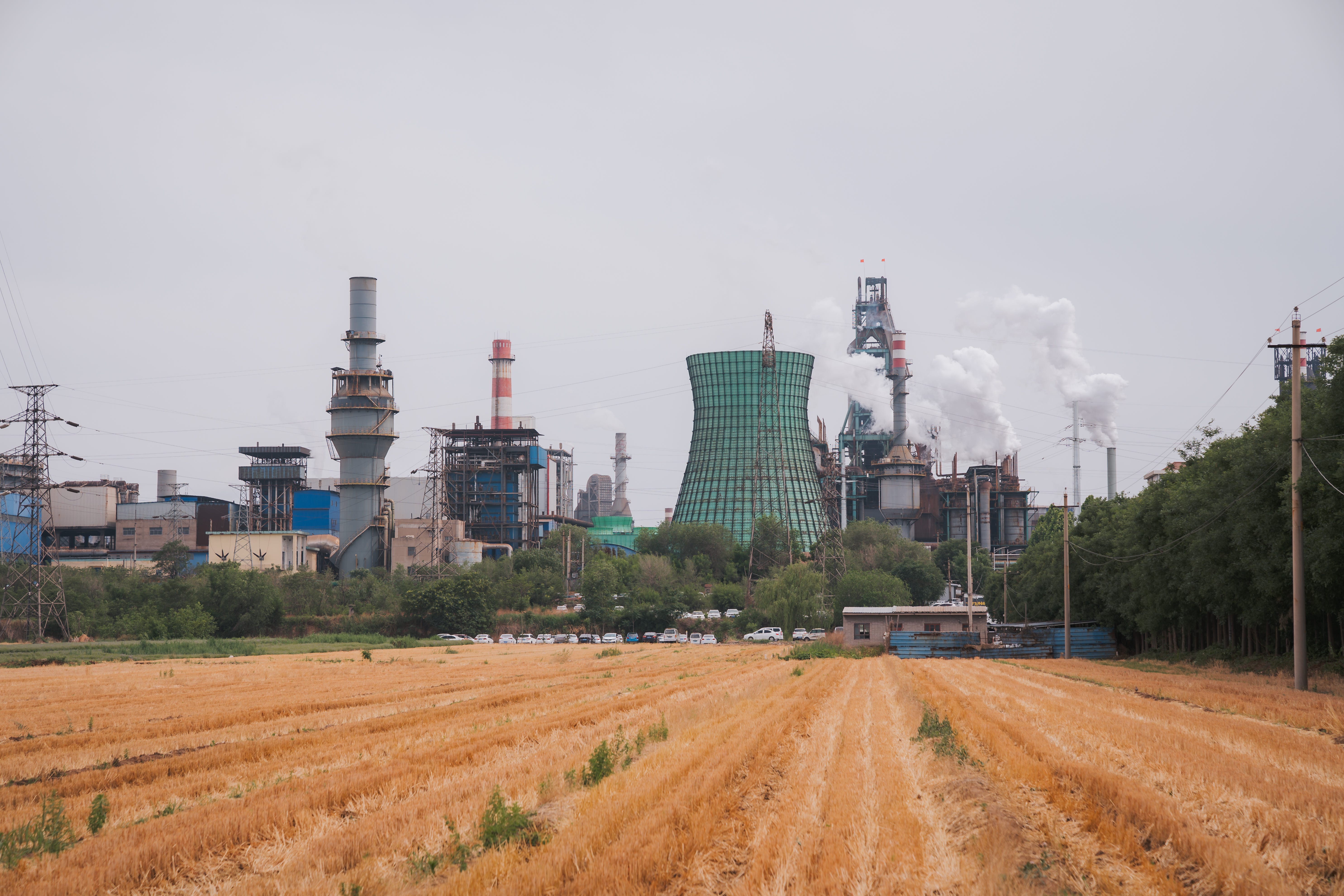
Passing a massive industrial complex on the side of the highway in Xinjiang County (unrelated to the province), I told D to pull over so we could get some beautiful shots. W and I walked up to the iron and steel plant to take photos. We didn’t notice when we got close enough to be noticed by the security guards. All of a sudden, the giant plumes of smoke vanished, and when the guards caught sight of us, they immediately called for backup. At W’s insistence, we pretended not to speak any Chinese; learning that we were foreigners, he put on a very polite face but two other men came from the other side and prevented us from walking away. He kept making calls until a woman in 80’s hair and blazer arrived with a translation app on her phone and tried to negotiate with us nicely:
“No photo here, government regulation, please understand”
More and more people in police uniform arrived; running away was no longer an option. The car was too far away, and to defuse the situation, I was forced to delete the photos on my camera. The crazy part is that W is also a photographer, carrying a massive lens, and she took photos of the same thing - but because I was a man, they assumed I was in charge and she was just an assistant or something. So they didn’t even ask to look at her camera, and she luckily got to keep all her photos. Anyways, we proceeded to calmly but briskly walk away despite their yelled protests. An unmarked white car kept following us for a distance, so we called a Didi and hurried off to a tourist site.
D said that they definitely turned off the visible emission once they realized we had cameras. “Those guys were definitely not police - they were just hired security guards wearing police uniforms.” And apparently that’s very common too - he would know, since he worked as a police officer for five years.
In fact, we learned that this is because there’s a lucrative industry around this. Here’s the setup. You rent a car, get some camera equipment, and drive around the countryside looking for factories emitting waste / smoke. Nine times out of ten, they’ll be violating many government regulations regarding emissions. But because the inspections occur on preassigned days, when the factory managers already know they’re coming, because every level of police and local government has been paid off, they never get fined. But these rogues will snap photos, transmit them to a secure server, then calmly walk up to the front gate, show them the photos, and demand payment in exchange for not sending the photos to some reporting agency higher up in the hierarchy than the people the factory bribed to turn a blind eye. I can imagine it’s not the safest profession.
On long drives through the countryside, after exhausting his knowledge of the history of the local places we visited, the conversation inevitably shifted to our personal lives. Of course, at one point, we asked if D has a girlfriend.
“Nah,” D says. “But I always think back to this girl I knew back in college, who was interested in me. She was alright, not the prettiest, but I really fumbled.”
It turns out, the girl in question was the daughter of a 煤老板 (coal mine owner). The way he described their incompatibility was that she belongs to 不同阶层 - a different social class - and so how could their values possibly align? I learned the phrase 三观不一致 - three values are incompatible, namely 人生观 (What are you looking for in life? What is meaningful to you?),世界观 (How do you fundamentally view the world? How do you operate within it?), and 价值观 (How do you define justice? What’s your relationship with money?) It’s not a matter of lack of love, or different hobbies, or different personalities - it’s purely a matter of “values”. Cinderella stories are rare - Chinese people only mingle within their socioeconomic class.
“We walk in completely different social circles, how can we be together?” He lamented. “I always wonder what my life would be like if I had accepted her… but no, it wouldn’t have been possible anyways… her parents wouldn’t have accepted me.” He laughs.
Whatever happened to the classless society of Mao-Marxist-Leninist thought? There are still old, fading posters everywhere on walls and central squares and theatre stages, singing praises to socialism and 无阶层社会主义. If Mao could see what Deng did to his China, he’d probably shed a few tears.
In Changzhi, we hired another driver, A, to take us around for three days. A was probably around the same age as D, mid to late 20’s, but he was already married with child. He regrets marrying early, he says. Before he started this job he thought it was a good deal and what you’re supposed to do. Most people in his village get married before 25. But he met so many tourists from the cosmopolitan East, even foreigners, and realizes there’s a whole world to explore, so now he feels tied down. His 三观, his attitude towards life, was totally different from D; whereas D wanted as much money as possible, to be a billionaire, this guy just wanted to 躺平, explore beautiful architecture, ancient villages, and go hiking in the mountains away from modern life.
The historic core of Changzhi is a warren of messy alleys and crumbled facades. Like many parts of China, glittering new hotels, malls, and nightclubs on the main strip give way to cheap tenement apartment blocks right behind them, stretching until the next arterial road ambivalently bisects once vibrant neighbourhoods.
In the 捉马村 district, as night falls, the working girls come out one by one. Some call out to us as we pass, some brush arms with us, most of them sit on stools in front of a dark hallway. Most of them look old and worn down by life. Every few steps we are bombarded with a new sign for yet another 成人用品 (adult goods) store. Pay per hour hotels advertising their rates line the main alley of the village; some have a massive fish tank as an auspicious entrance piece, behind which is usually a 4-5 story atrium with minimal lighting.
Amidst the girls and hotel receptionists, children run around chasing each other and playing games. In this sprawling red light district, the sex trade coexists with laundromats and food stalls, schools and markets. In China, every hotel room has a sign that says “gambling, drugs, and prostitution is prohibited”.
In the glittering cities of the east, prostitution has been, if not eliminated, then pushed indoors and underground - even in the former capitals of the trade such as Dongguan, where it was once rampant and ubiquitous. But here, it’s commonplace and out for everyone to see. The younger girls, though, will be working in the lounges at the high end KTVs, to serve drinks and favours, passed around by the 社会人, the government cadres and business elite.
“Actually they had a massive bust and the police arrested hundreds or people last month. I guess now they’re out in the streets again.” A told us, when we asked him about it the next day.
I have to mention at this point that you almost never see women in the central committees and politburos or on the boards of large companies. Government at the top remains essentially a male preserve, replete with the hunting, drinking, whoring, poker-playing, and locker-room bravado typical of male leadership circles in most parts of the world.
D had said to us, “I have nothing against women, but in China there are many jobs not suitable for a woman to do. How can a woman drink with business and political leaders and build guanxi? Impossible.”
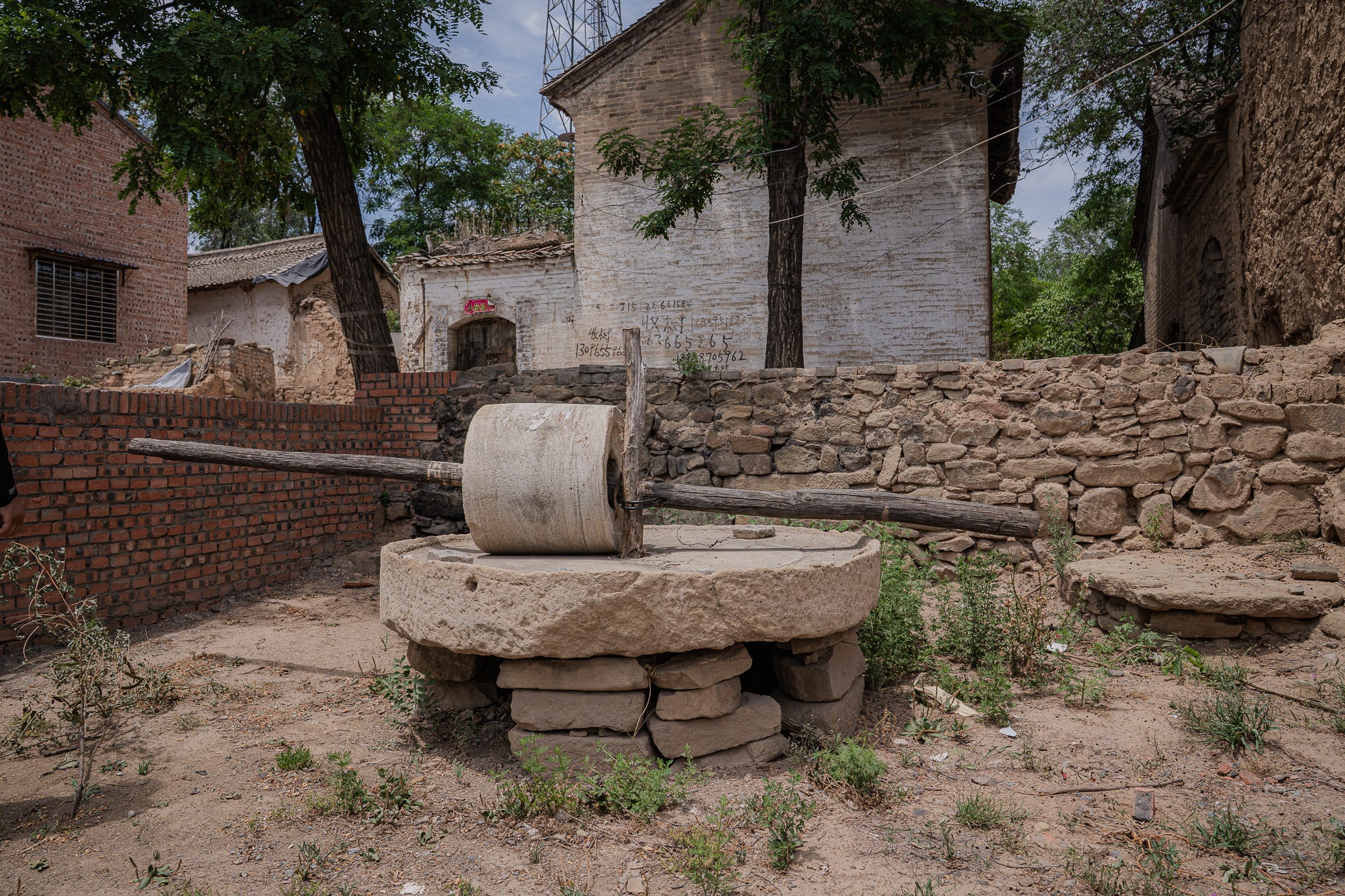
In an ancient village that has been opened for tourism, the main street has been completely refitted with new pavement stones, walls completely repainted, and beautiful new posts and signs and statues have been installed in place of the crumbling old ones. But two streets behind, higher than most Chinese tourists would want to climb, the houses are wonderfully preserved in their ancient setting, the patinas revealing a beautifully multicolored palimpsest, the 窑洞 (cave dwellings) showing signs of recent habitation, with trails beside them leading up and up and further into the mountains.
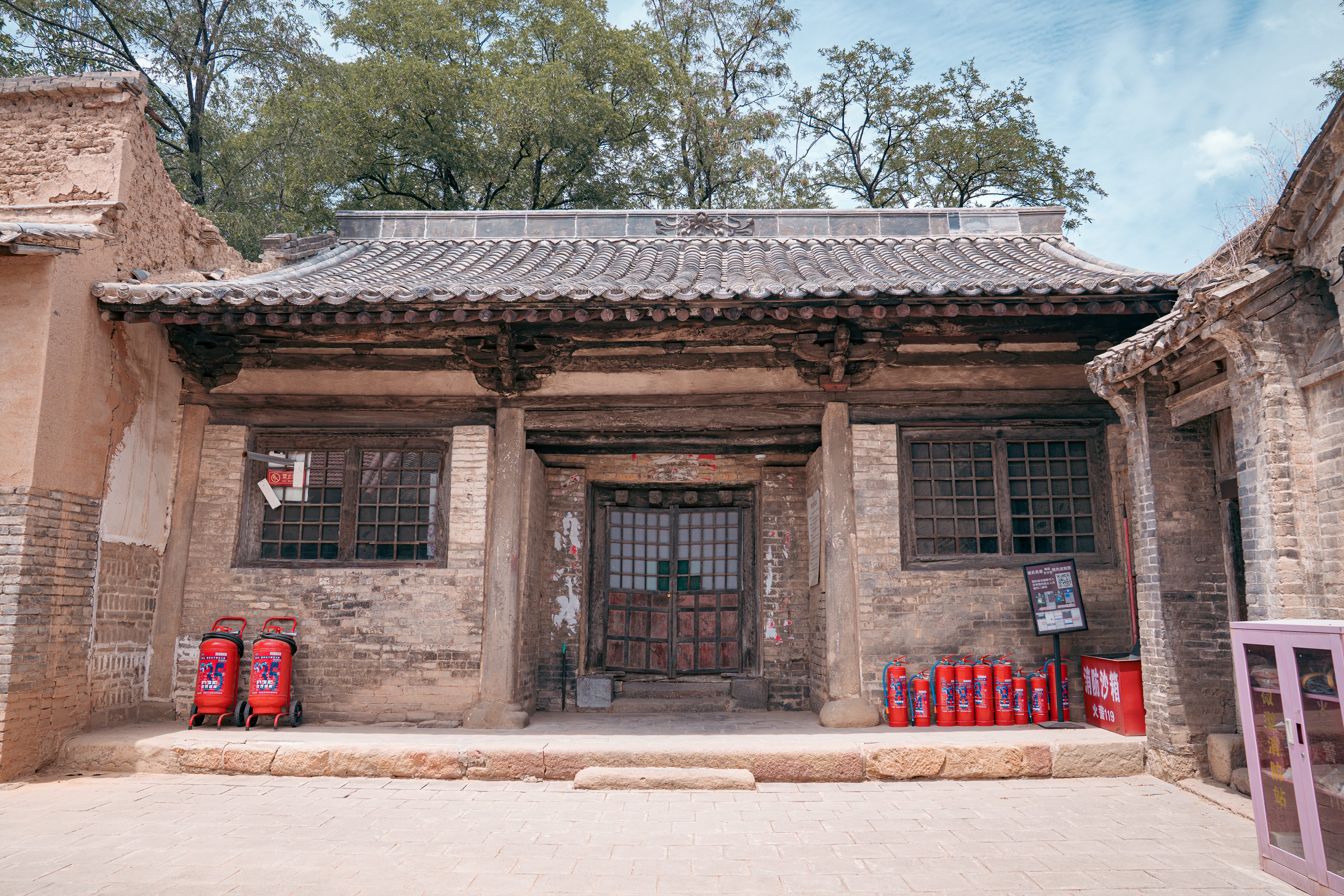
A took us to an old home in the village, the oldest known extant habitation structure in China, a small house from the Yuan dynasty. It is being turned into a cultural site / museum, but until a few years ago it was still being lived in by an old woman, whose line had lived there for centuries. Next door lives another woman in her 80’s, who still farms and cooks all her meals alone. A told us that further away from the highways, deep in the mountains, there are still villages disconnected from water, electricity, gas. There, octogenarian and nonagenarian villagers never leave the village; they care for one another and their community, oblivious to the state of modern China.
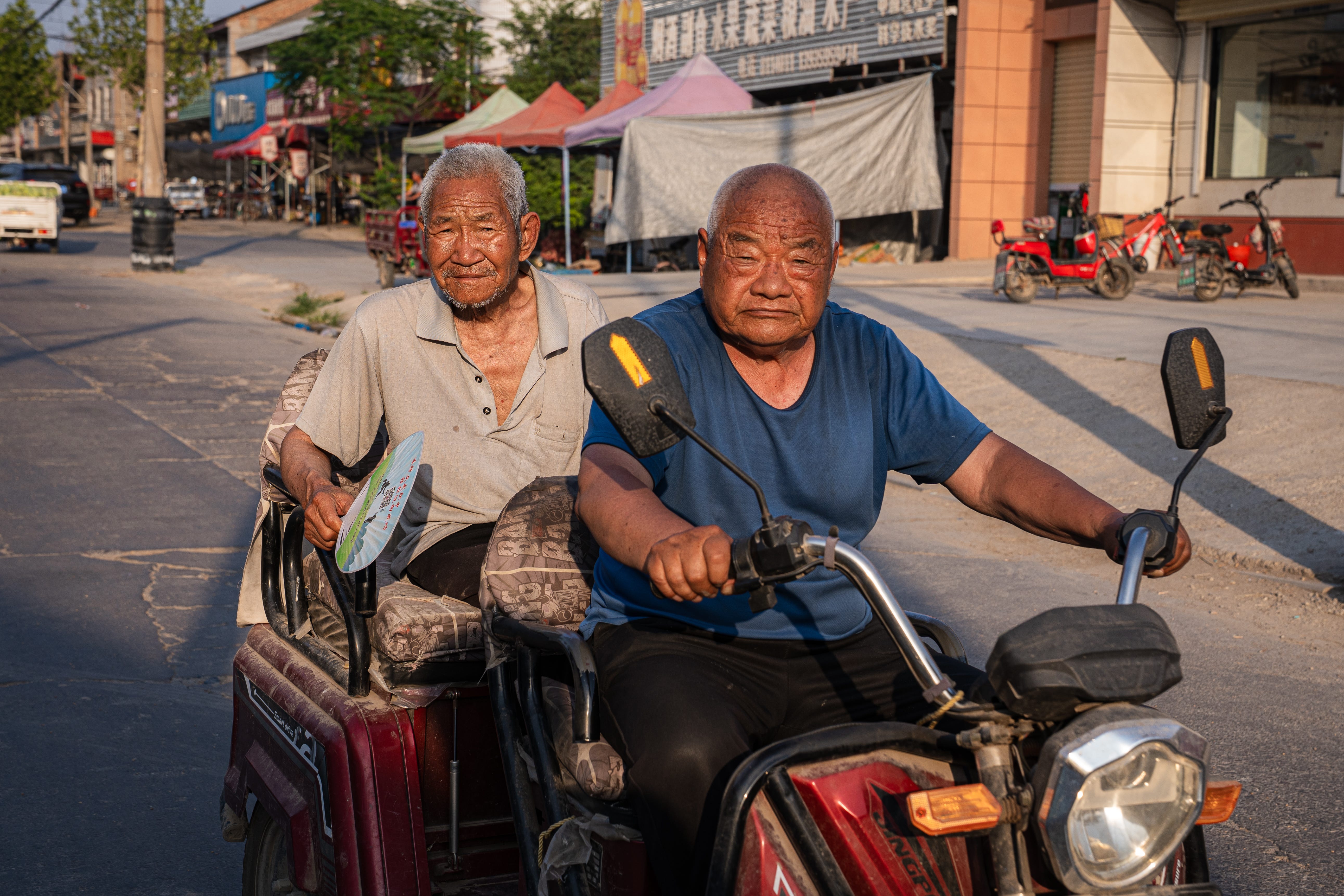


This piece is fire!
Exceptional piece. Thanks for sharing